No. Cleaning a chemical tank does not automatically remove hazardous residues from the pipework connected to it. Liquid and deposits may remain in branch lines, valve cavities, pump connections and isolated sections even when the main vessel has been emptied and cleaned.
For chemical-site managers planning maintenance or a product change, the distinction is fundamental. The physical boundary of the cleaning work must be defined separately from the wider system that normally transfers material into and out of the tank.
Where chemicals remain outside the tank
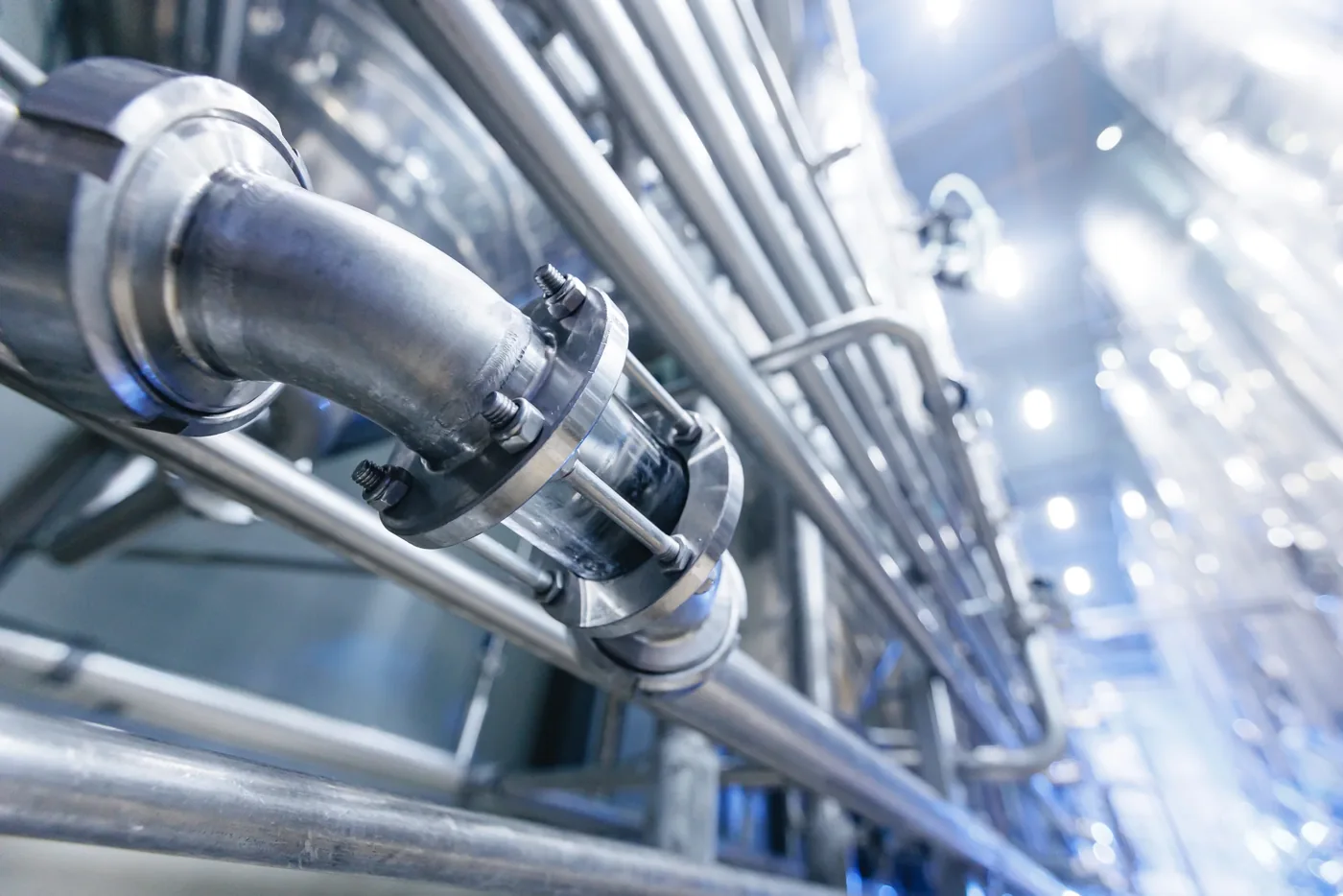
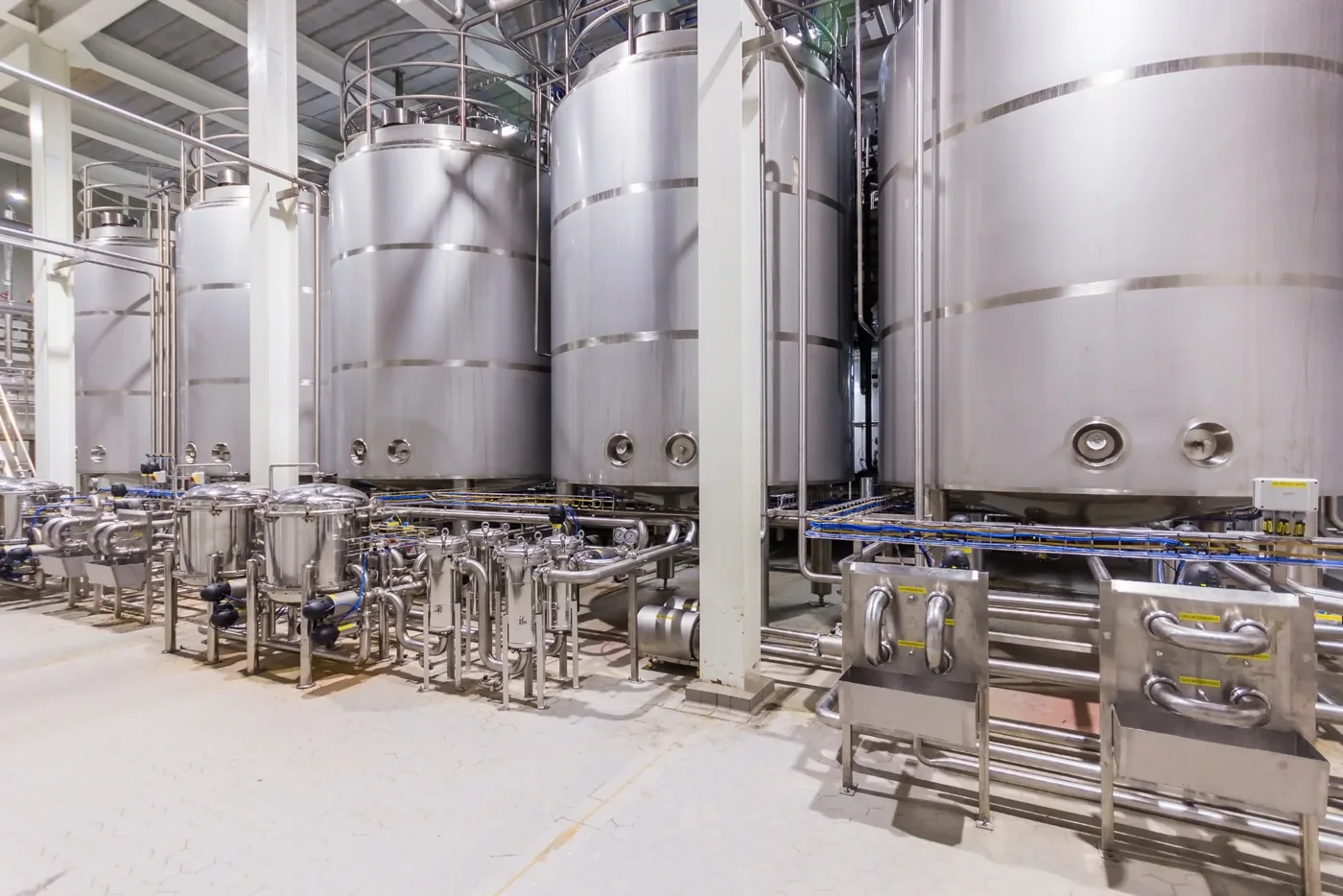
Industrial chemical installations frequently include more than a vessel and two straightforward connections. They may incorporate recirculation loops, sampling points, transfer pumps, bypasses, instrument connections and pipework serving multiple tanks.
Each additional connection introduces a potential location for retained contents.
Valve cavities and equipment connections
Valves can contain internal spaces that retain process liquid after the main flow path has been drained. The quantity and location depend on valve design, orientation and operating condition.
Residual liquid may also remain around pump casings, strainers, flexible connections and fittings that sit below surrounding pipework.
The interior of the tank may be clean while these components still contain the previous chemical. Their condition cannot be inferred from the appearance of the vessel.
Dead legs and unused branches
A dead leg is a section of pipework with little or no routine flow, often created by a redundant connection, blind-ended branch or an infrequently used part of a system.
Because normal circulation does not reliably exchange its contents, a dead leg can retain older material while the main line carries fresh product.
This becomes particularly important during product changes. The remaining substance may be incompatible with the replacement product or interfere with the intended cleanliness of the system.
The possibility of retained material needs consideration even where the branch is small compared with the tank.
Separating vessel and pipeline boundaries
A cleaning boundary identifies exactly which parts of the installation are included in the work.
For a tank-only intervention, that boundary may stop at specified connections or isolation points. It should not be assumed to include the full transfer system, associated pumps or remote pipework.
Similarly, the presence of an isolation valve does not establish that the adjacent line has been emptied, cleaned or made suitable for maintenance.
Line isolation concerns preventing the unintended movement or release of material during work. Line cleaning concerns removing the identified contents or residues. These are different objectives and require separate consideration.
The Health and Safety Executive’s maintenance guidance specifies the importance of isolating plant and pipelines containing pressurised fluids or hazardous materials.
For complex process installations, the HSE also discusses the need to consider isolation arrangements and trapped liquid in its technical guidance on pipework, which is particularly relevant to major accident hazard assessments.
Defining connected-system cleaning scope
Before work is specified, the site should establish which equipment must meet the required condition at the end of the intervention.
A useful scope description identifies:
- Tank interior: The vessel surfaces, fittings and accessible areas included in cleaning.
- Connected equipment: Relevant pumps, valves, strainers and other components requiring separate consideration.
- Pipework sections: The branches and transfer lines included or excluded from the work.
- Isolation boundaries: The defined points separating equipment being worked on from the rest of the operating system.
- Required end condition: The cleanliness or inspection requirement associated with maintenance, continued operation or product change.
Current piping diagrams, equipment records and information about the previous chemical help clarify these boundaries. Where drawings do not reflect the installed arrangement, the actual configuration must be established before relying on them.
Why the next use changes the assessment
Preparing a vessel for inspection is not necessarily equivalent to preparing a connected system for a different chemical.
A product change may require attention to retained material in branches and equipment that would not otherwise be included in a vessel-only clean.
Conversely, cleaning an entire connected network may be unnecessary when the agreed work concerns only a particular isolated vessel.
The relevant chemical tank cleaning scope should therefore distinguish the tank interior from connected-system work, with the boundaries and required condition stated explicitly.
A cleaned tank establishes something about the surfaces addressed by that cleaning. It does not, by itself, establish the condition of every valve, branch or pipeline connected to it.