

Industrial tank cleaning removes deposits before inspection, a product change or continued operation. The required finish depends on what the tank needs to do next, not simply on how much liquid can be pumped out.
Industrial Tank Cleaning
Industrial tank cleaning removes process residues and prepares vessels for continued use, inspection or product change.
HomeIndustrial Tank CleaningIndustrial Tank Cleaning enquiry
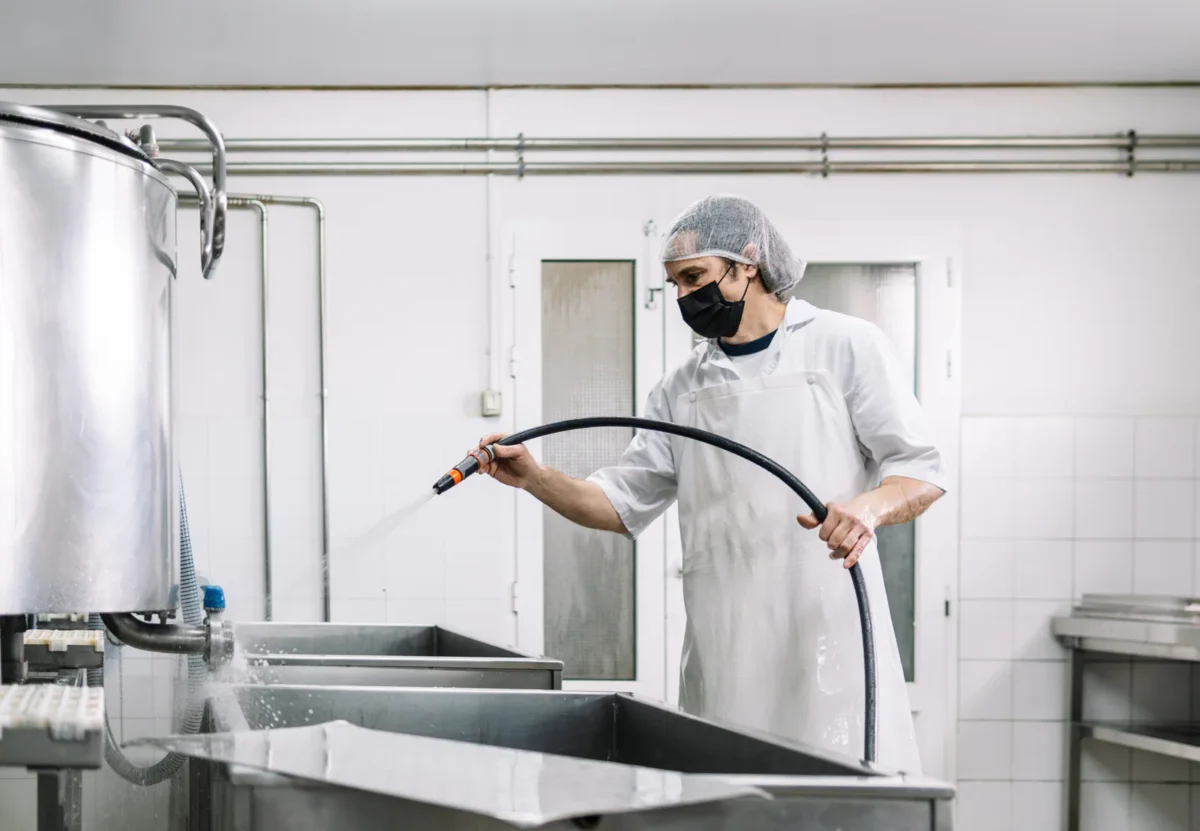
Industrial residues
The process and previous contents help identify the deposits and cleaning method suitable for the tank.
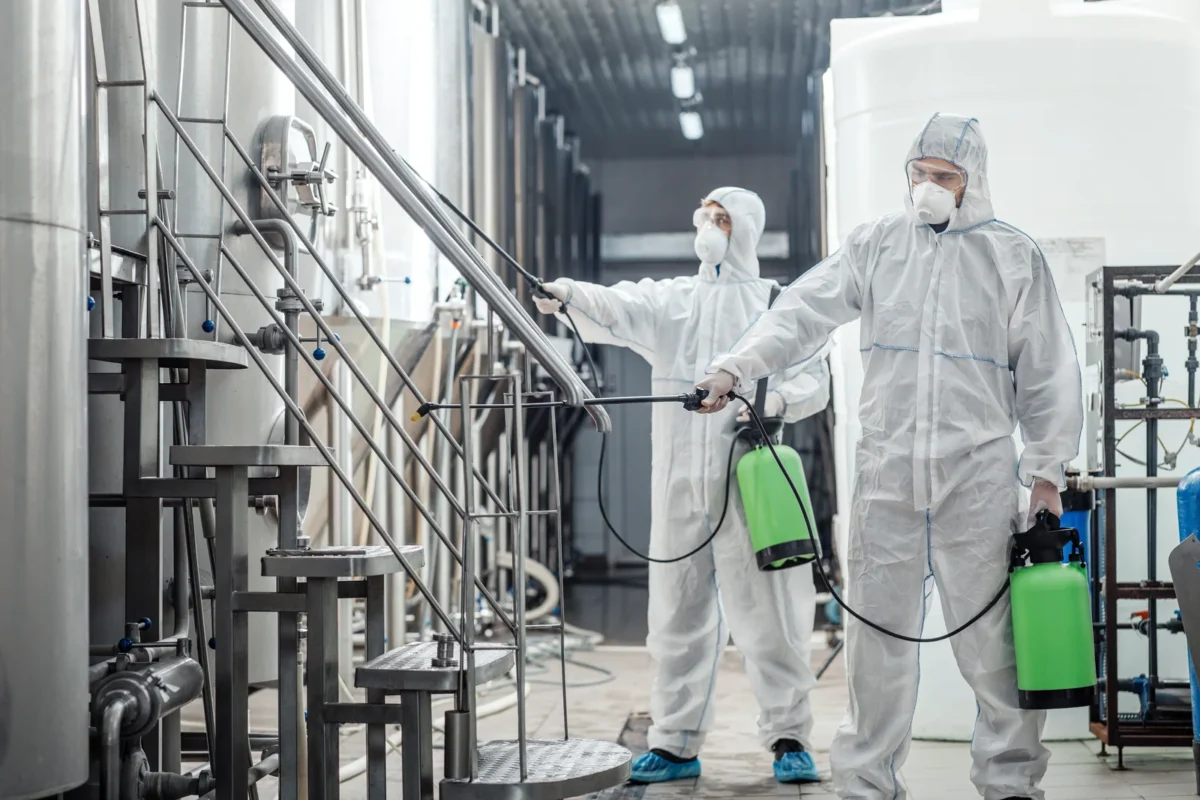
Connected equipment
Pipework, pumps and supplies need consideration when planning the tank's isolation for cleaning.
Industrial residues and required finish
Settled solids, viscous residues and material left on internal surfaces may remain after bulk emptying. A tank being prepared for inspection may need different surfaces exposed from one being cleaned for continued storage or a product change.
Agitators, heating coils, baffles and connected pipework can shelter deposits or restrict cleaning equipment. The tank construction and previous contents therefore matter as much as its capacity.
Discuss industrial tank cleaning
Complete the form and we will get back to you.
Isolation and residue handling
Connected machinery, process lines and other hazardous sources must be isolated appropriately before cleaning. Stored energy and inadvertent restart also need to be controlled where equipment could affect the work.
Recovered liquid, washings and solids need handling that reflects what they contain. Entry should be avoided where possible; if it is necessary, the confined-space risks, competence, controls and emergency arrangements must be addressed for that tank.
Coverage around tank internals
Cleaning equipment has to reach the surfaces relevant to the job. Loosened deposits also need to be recovered from the tank rather than moved from one surface to another. Cleaning can prepare a vessel for inspection, but the inspection and any integrity decision remain separate.
Industrial Tank Cleaning: common questions
Can cleaning be combined with a planned inspection?
Yes. Cleaning can be planned to expose the surfaces the inspector needs to see. The inspection and any repair work remain separate from cleaning.
Will someone need to enter the tank?
That depends on the tank and the result required. Methods that avoid entry should be considered first. Necessary entry requires a specific safe system and rescue arrangements.
Does tank cleaning include connected pipework?
Only where connected pipework, pumps or fittings are specifically included. They can retain material independently of the tank.
Does cleaning include the coils and baffles?
Accessible internals are included where agreed. Their construction and the required finish determine how they can be treated without damage.
What happens to the material removed from an industrial tank?
Recovered liquid, washings and solids are handled according to their condition and contents. Their treatment or disposal is separate from the decision about whether the tank is fit to return to service.