

IBC cleaning services remove assessed residues from intermediate bulk containers intended for suitable reuse or disposal. The previous contents, bottle material and fittings all affect whether a cleaning method is appropriate.
IBC Cleaning Services
IBC cleaning services remove assessed residues from intermediate bulk containers intended for suitable reuse or disposal.
HomeIBC Cleaning ServicesIBC Cleaning Services enquiry
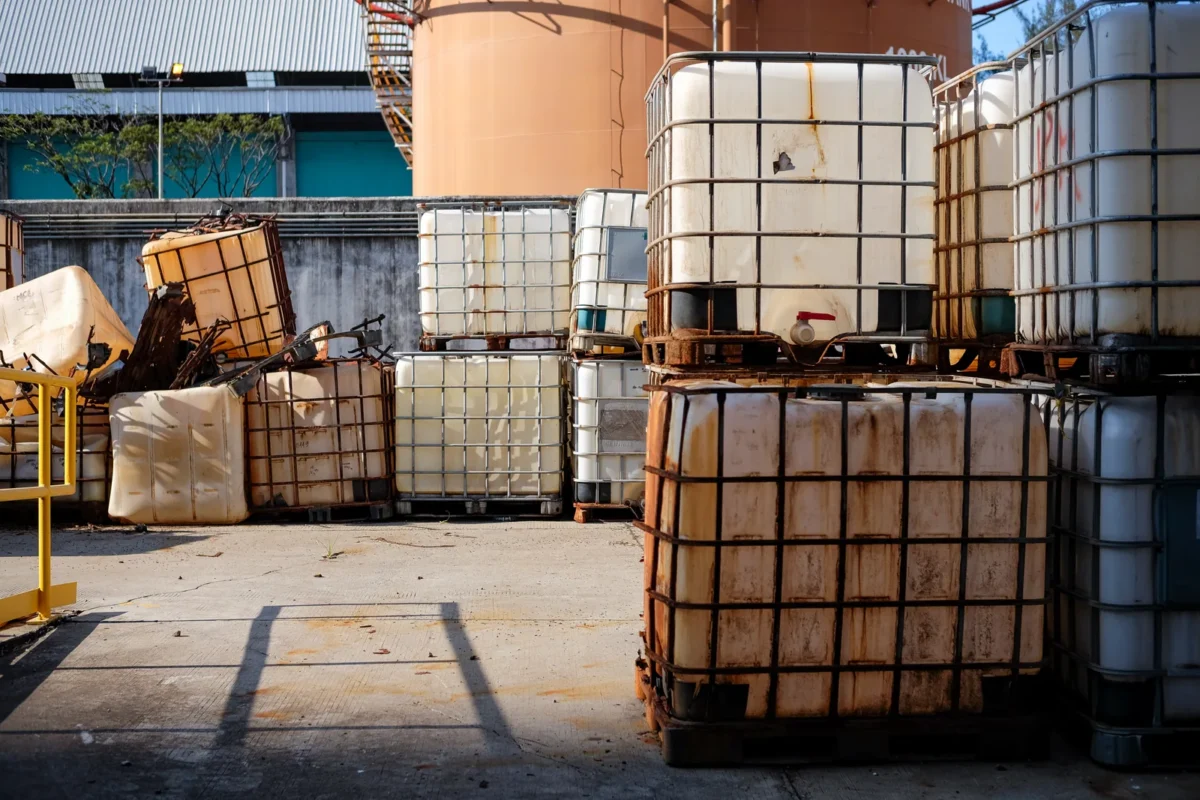
Previous IBC contents
Product information and container condition help establish whether cleaning is suitable for the intended use.
Container fittings
Valves, caps and inaccessible areas need consideration alongside the main internal surfaces.
Residue and container condition
Product can remain around the outlet valve, cap and internal surfaces after normal emptying. Unknown contents need to be identified or otherwise assessed before washing because an unsuitable cleaning medium can create additional hazards.
Condition matters separately from cleanliness. Damage to the inner bottle, valve or cage can make an IBC unsuitable for its intended reuse even after residues have been removed.
Discuss IBC cleaning services
Complete the form and we will get back to you.
Cleaning method and intended reuse
The method must suit the previous substance, container materials and intended next contents. Washings also need handling appropriate to their composition, and fittings that retain product need to be included when residue remains in them.
A previously used chemical IBC should not be assumed suitable for food or drinking water simply because it has been washed. Suitability depends on the container, its history and the intended use.
Cleaning and dangerous-goods requirements
Cleaning removes residue; it does not renew dangerous-goods transport approval or replace the construction, inspection, testing and packaging requirements that apply to an IBC carrying dangerous goods. Those requirements remain separate from the cleaning result.
IBC Cleaning Services: common questions
Can an IBC with unknown contents be washed for reuse?
The contents history and hazards need clarification first. Washing an unknown residue can create risks and does not establish suitability for a new product.
Does cleaning make an old chemical IBC suitable for drinking water?
No. Suitability for drinking water requires appropriate materials and a suitable history; cleaning alone is not sufficient.
Does cleaning renew the IBC transport certification?
No. Inspection, testing and packaging suitability requirements are separate from residue removal.
Why does the bottle, valve and cage condition matter before reuse?
Cleaning removes residue, but defects in the inner bottle, valve, cap or cage can still make an IBC unsuitable for its intended reuse.
Do IBC valves and caps need attention as well as the bottle?
They can do. Valves, caps and other fittings can retain product after normal emptying, so they need to be included where residue remains.