A generator can continue to experience fuel problems after its day tank has been cleaned because the contamination may originate elsewhere in the supply system. Fuel transferred from a bulk tank can carry water, particles or other unwanted material into the day tank, while residues may also remain in transfer pipework and associated components.
Cleaning one vessel removes deposits from that vessel. It does not establish the condition of incoming fuel or confirm that every connected part of the storage and transfer arrangement is clean.
Follow the fuel from bulk storage to the generator
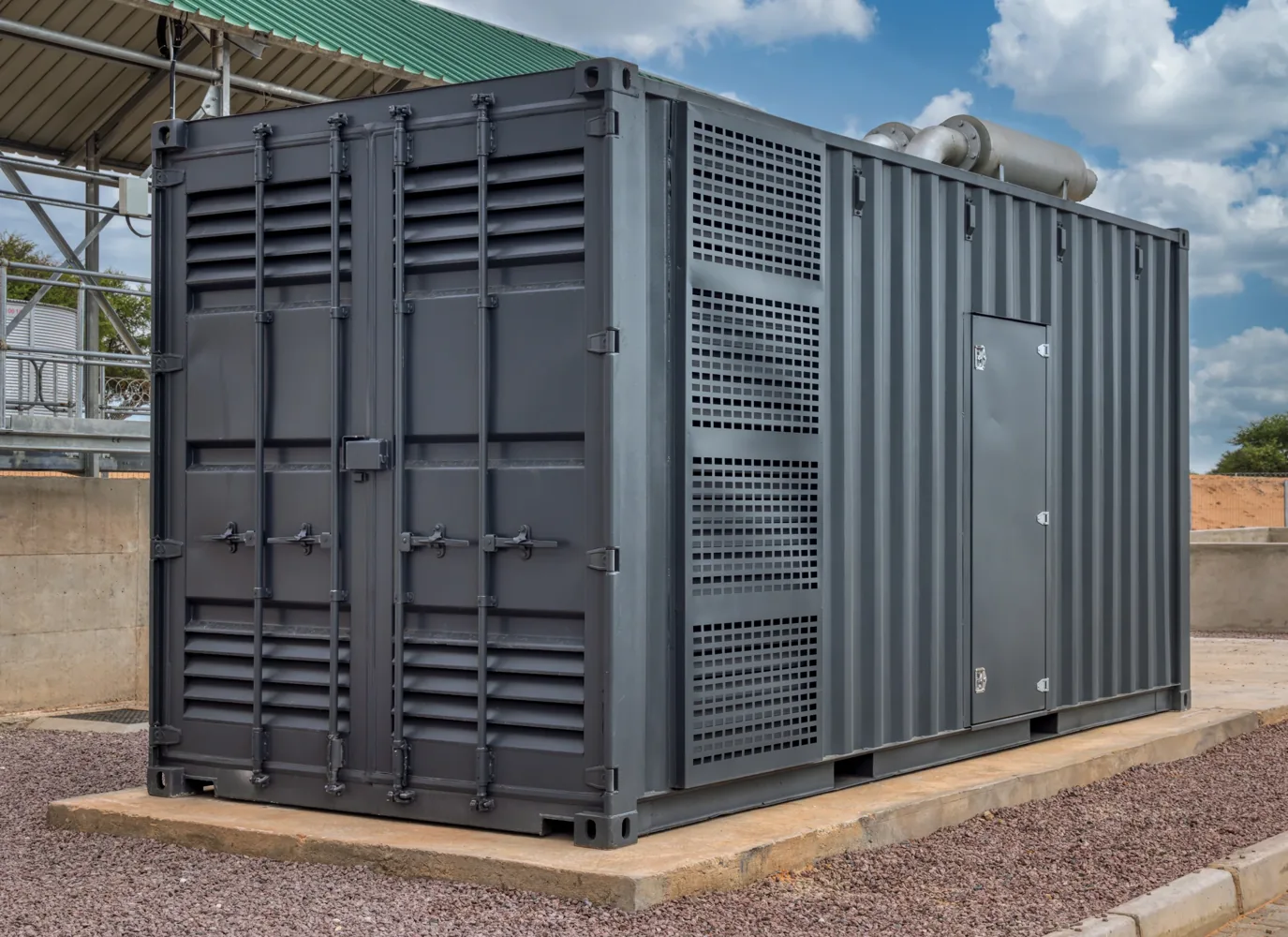
Many larger standby generator installations use a bulk storage tank to hold the main fuel reserve and a smaller day tank to supply the generating equipment locally. Fuel moves between them through a transfer arrangement that may include pumps, valves, filters and connecting pipework.
The exact configuration varies. Some installations have a direct supply from the main tank, while others include return lines or additional components. The actual system layout matters more than an assumed standard arrangement.
Where a bulk tank feeds a day tank, cleaning the smaller vessel addresses only one point along that route. If the bulk fuel or transfer system remains contaminated, subsequent transfers can reintroduce material.
That is why a day tank’s condition should be considered alongside its upstream supply, especially where symptoms recur after cleaning.
Where contamination can remain
Bulk fuel storage
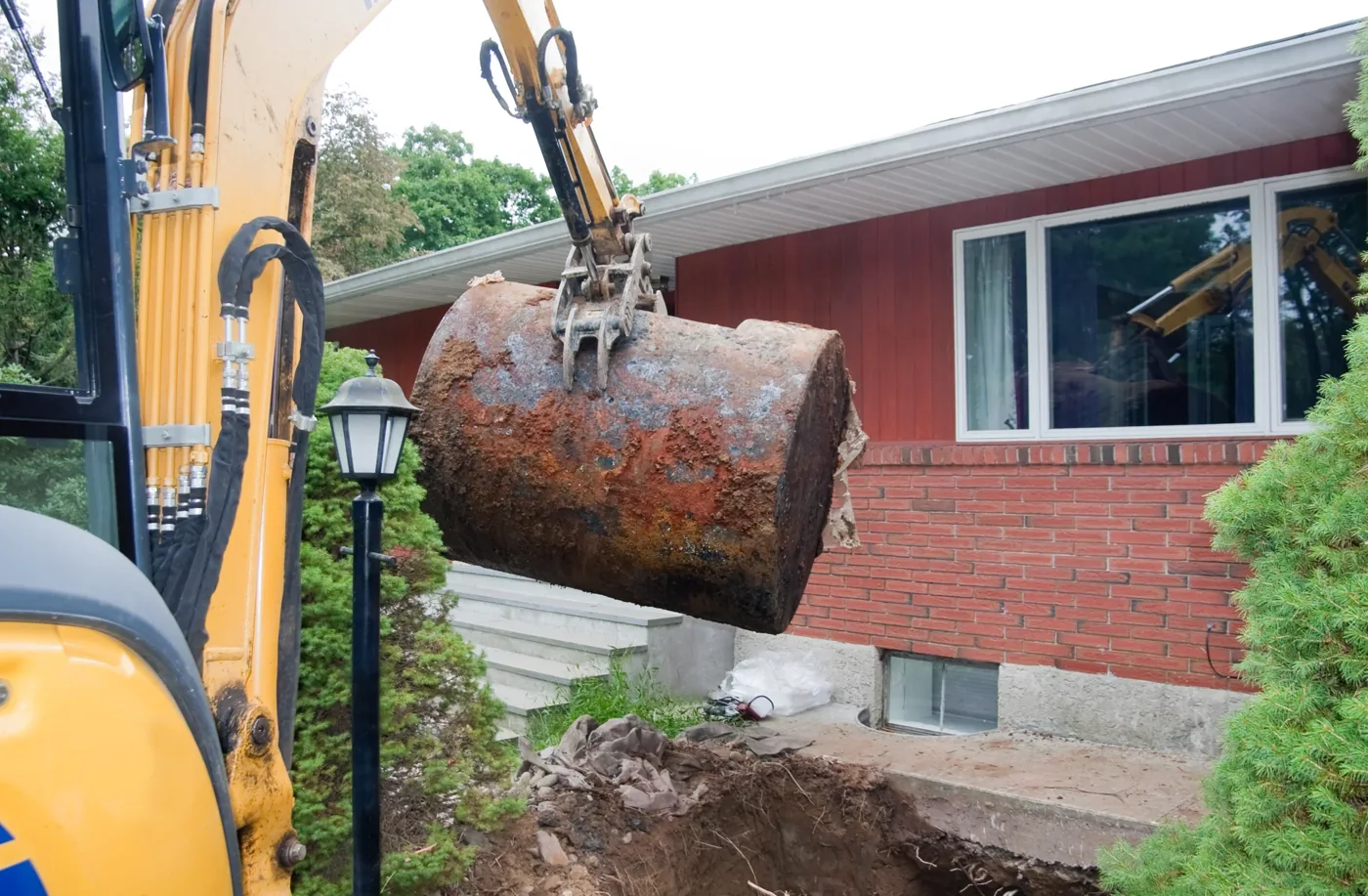
Water and settled material can accumulate at low points in stored fuel systems. The bulk tank may hold deposits that are not apparent from a sample taken near the surface.
Storage history, previous deliveries and evidence of water ingress help establish whether the larger vessel warrants investigation. The separate guide to diesel tank water and sludge explains the distinction between stored fuel and material settled beneath it.
Transfer lines and components
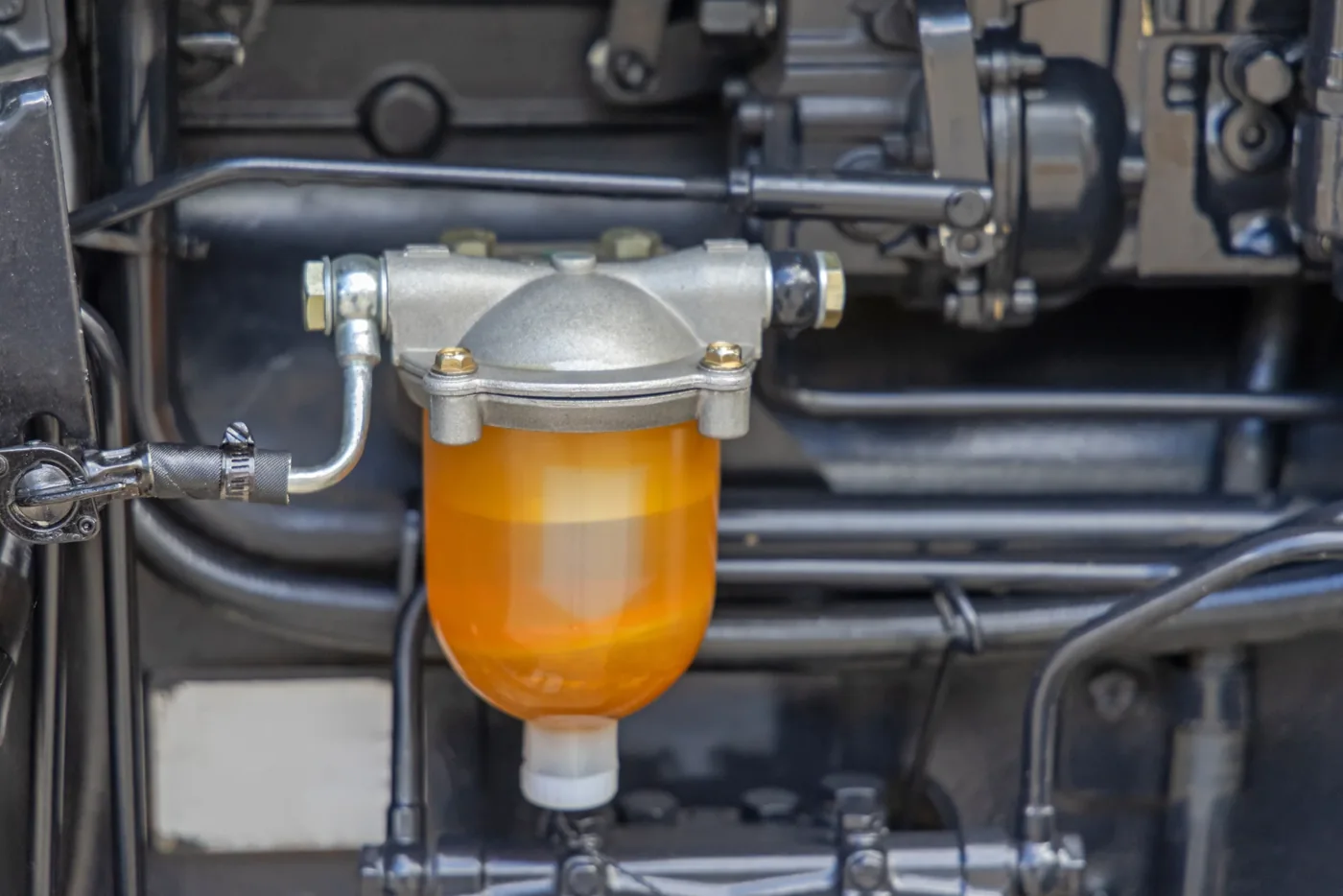
Residues may remain within pipework, strainers, filter housings and other parts of the transfer system. Changes in flow can mobilise material that was previously undisturbed.
A blocked filter is useful evidence of a problem but does not, on its own, establish where the contamination originated. The material found and the position of affected components help narrow the investigation.
The day tank itself
Even after cleaning, the day tank may receive contaminated fuel from upstream. Deposits could also recur where the original source of water or particulate contamination has not been corrected.
Inspection of the cleaned vessel is therefore one piece of evidence. It should not be treated as a certificate of fuel condition throughout the installation.
Selecting the right investigation boundary
The first useful question is whether the reported problem concerns visible deposits, fuel quality, restricted flow or generator operation. Those symptoms are related but do not necessarily share the same cause.
A targeted investigation can compare evidence from several locations:
- Bulk tank: Check available records and representative findings for water, deposits or changes in stored fuel condition.
- Transfer system: Review affected filters, pipework routes and the timing of any recurring contamination.
- Day tank: Examine whether deposits have returned and whether incoming fuel may be responsible.
- Generator supply interface: Establish whether the reported symptom is consistent with fuel contamination or requires a separate mechanical assessment.
Where fuel condition is uncertain, fuel testing can help distinguish contamination concerns from assumptions based solely on appearance.
Storage condition and the wider installation
In England and Wales, the government’s oil storage guidance for businesses covers applicable standby generators with connected oil supply tanks of 201 litres or more. It also covers certain generators in daily use. Requirements depend on the installation and relevant exemptions, including those for some underground tanks and storage inside buildings. Where the regulations apply, they address pollution prevention, tank construction, associated pipework and secondary containment.
Those storage requirements are separate from determining whether fuel is suitable for use in the generator. A compliant storage arrangement does not itself establish fuel cleanliness.
Likewise, successful generator fuel tank cleaning should be understood in relation to the particular vessel treated. Additional work elsewhere depends on the evidence found.
For facilities operators, the most useful outcome is an identified contamination source and a defined treatment boundary. That avoids repeatedly cleaning the day tank while leaving an upstream condition unresolved.