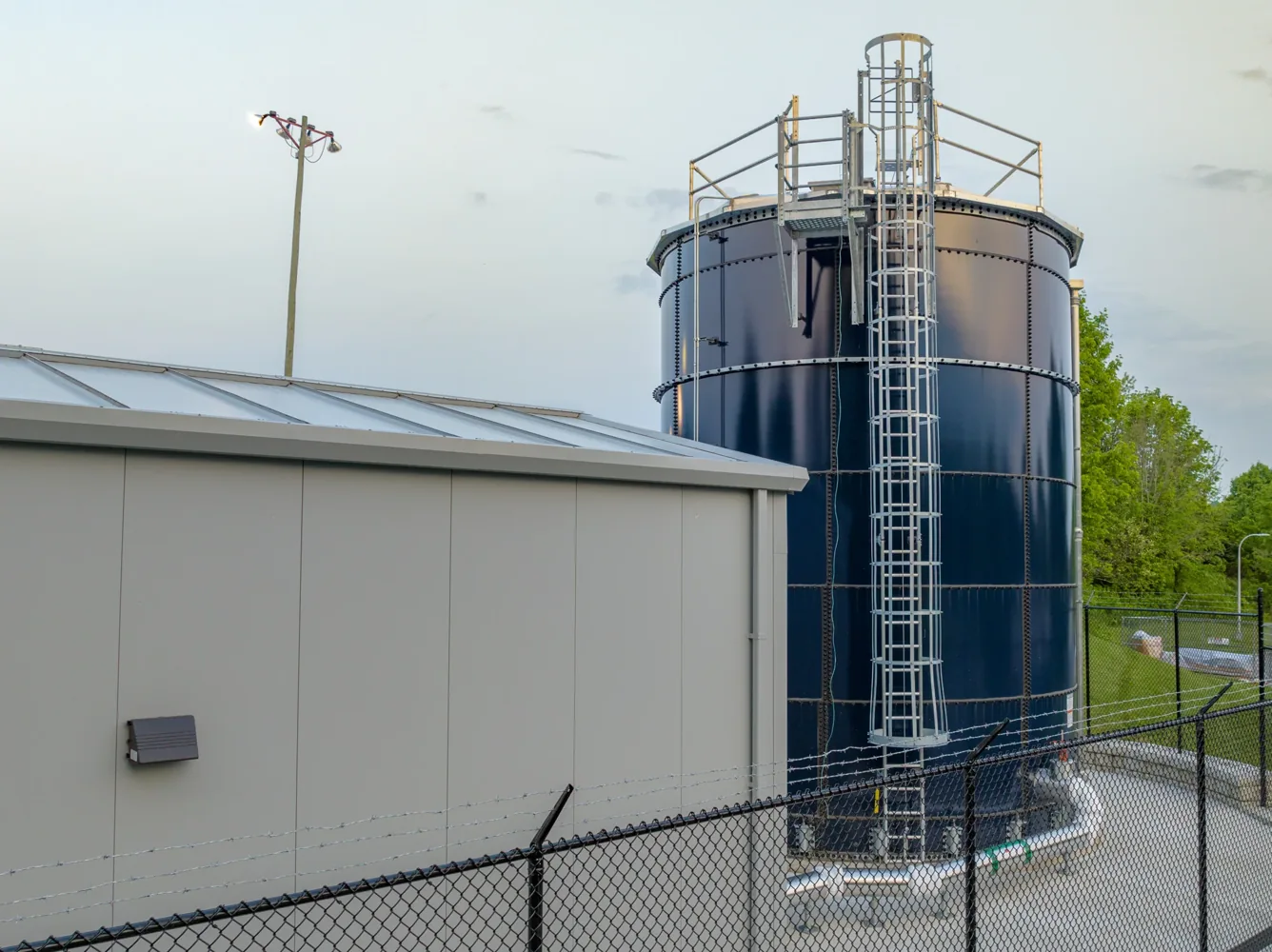
A cold water storage tank needs cleaning when sediment, sludge, scale or other physical deposits must be removed. Disinfection serves a different purpose: reducing microbial contamination. Where deposits and microbiological concerns occur together, both treatments may be needed, normally with physical cleaning before disinfection.
The appropriate choice depends on the tank’s condition, its role in the water system, the water hygiene risk assessment and relevant inspection or monitoring findings. Appearance alone cannot establish whether disinfection is needed, and adding disinfectant to a dirty tank does not remove accumulated material.
Sediment and microbiological problems are different
Physical contamination is often visible during an inspection. Material may collect on the tank floor, around low points or in areas where water movement is limited. Deposits can include particles introduced through the supply, corrosion products from connected components and material associated with deterioration inside the storage system.
These deposits matter because they remain in the vessel until they are physically removed. They can also make it harder to establish the condition of surfaces beneath them. For a closer explanation of where deposits accumulate, see the cold water tank sediment guide.
Microbiological concerns require a different assessment. They may arise from monitoring results, operating conditions, contamination incidents or evidence that existing control measures are not working adequately. Their presence cannot reliably be judged by appearance alone.
The distinction is particularly important where stored water serves an occupied building. The treatment objective should address the identified condition rather than assume every water quality concern has the same cause.
What cleaning and disinfection actually achieve
Cleaning removes accumulated material
Physical cleaning targets deposits on the base and internal surfaces of the storage tank. Depending on the installation, this may involve removing settled material, cleaning accessible surfaces and dealing with residues that cannot be removed through ordinary draining.
The tank’s construction, lining, internal fittings and available access affect the method. Cleaning also creates an opportunity to identify defects that were concealed by deposits, although correcting those defects is a separate maintenance decision.
Where the primary finding is visible sediment without an identified need for microbiological treatment, cold water storage tank cleaning may address the immediate physical problem.
Disinfection addresses a hygiene objective
Disinfection uses an appropriate treatment process to reduce microbial contamination. It is not a substitute for removing sludge or substantial deposits. Material remaining in the tank can interfere with the effectiveness of treatment and make the result difficult to assess.
Disinfection may form part of planned hygiene controls or remedial work following an identified problem. Its scope may also extend beyond the tank if the concern affects connected pipework or other components.
The separate water tank disinfection service explains that treatment objective in more detail.
An assessment-led route to choosing treatment
The Health and Safety Executive’s guidance on controlling legionella risks explains that cleaning and disinfection arrangements should reflect the water system, contamination conditions and people who may be exposed.
For a facilities manager, the decision can be organised around three questions:
- What has been found? Record whether the concern involves visible deposits, monitoring results, operating conditions or a combination.
- What outcome is required? Specify physical deposit removal, microbiological control or both, rather than requesting an unspecified hygiene treatment.
- How much of the system is affected? Establish whether the concern is confined to the storage vessel or includes connected water services.
Previous inspection findings and treatment records provide useful context. Recurring deposits may indicate an upstream source or a storage condition that needs attention alongside cleaning.
Visual inspection after cleaning can help confirm that accessible deposits have been removed, but it cannot establish microbiological safety. Equally, satisfactory microbiological monitoring does not demonstrate that the tank is free from sediment or scale. Each result must be assessed against its own treatment objective.
The practical decision is therefore not simply cleaning versus disinfection. It is identifying the condition requiring correction, selecting the relevant intervention and checking that the agreed objective has been achieved.