Sludge can return after industrial tank cleaning because the process continues to introduce solids, dissolved substances form new deposits, or material remains in areas that the original cleaning did not fully reach. The return of sludge does not necessarily mean the previous cleaning was ineffective. It may indicate that the conditions responsible for accumulation have not changed.
For plant managers, the useful question is not simply how often the tank needs cleaning. It is whether the new material is being generated during operation, entering from elsewhere or accumulating around parts of the tank that are difficult to drain.
Three mechanisms behind recurring sludge
1. Continuing solids ingress
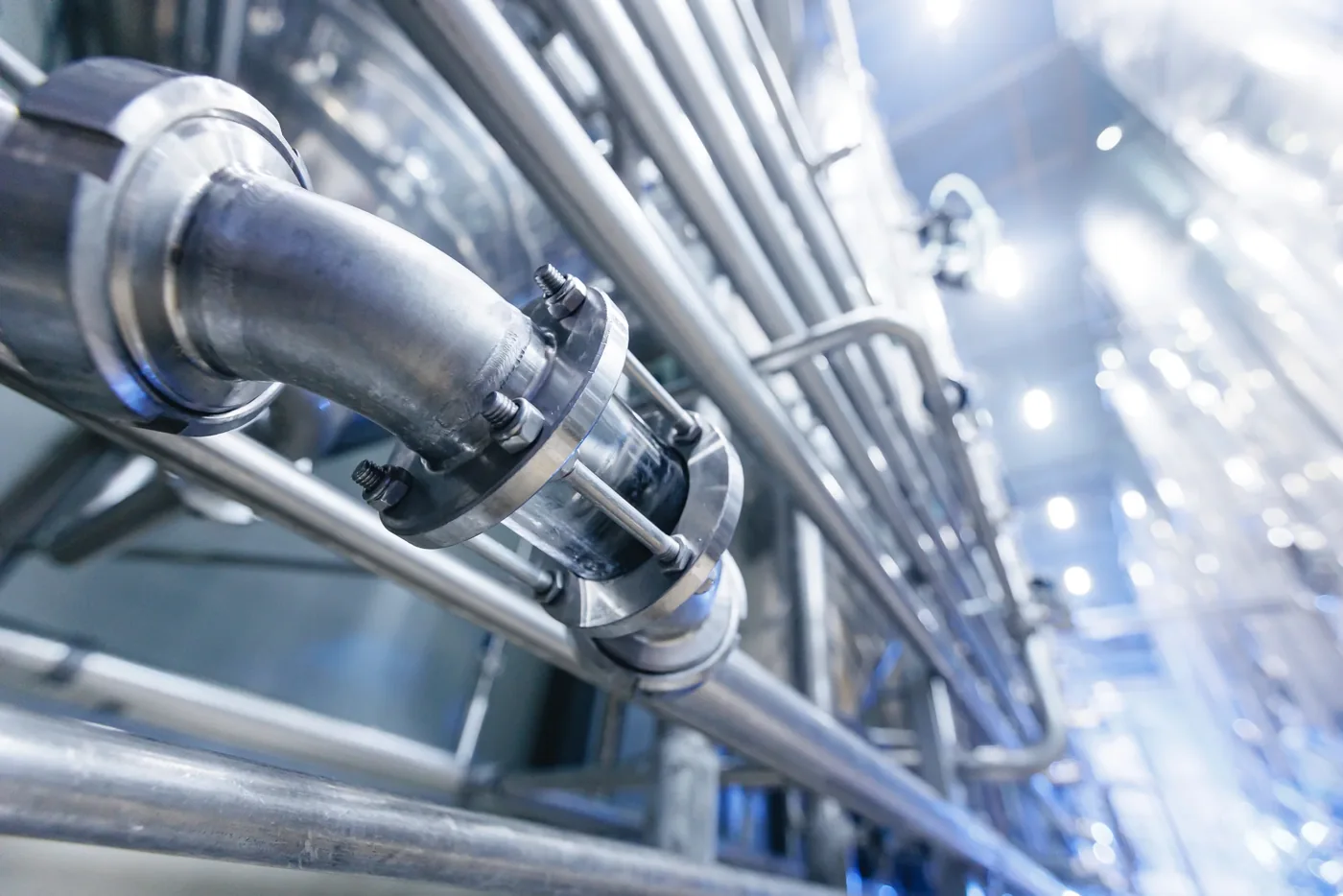
Industrial storage and process tanks receive material through inlet pipework, transfer systems and production equipment. Those flows can contain suspended particles that gradually settle once liquid enters the tank.
Potential sources include poorly separated feedstock, corrosion products from upstream equipment, process carryover and particles introduced during transfers. Cleaning the vessel removes accumulated material without necessarily changing what arrives through its connections.
The rate of accumulation depends on particle characteristics, flow patterns, residence time and operating conditions. A tank receiving intermittent transfers may develop a different deposit pattern from one operating under continuous circulation.
2. Deposits forming inside the tank
Some residues develop from substances already present in the stored liquid. Changes in temperature, concentration, acidity or chemical balance can cause dissolved constituents to precipitate or existing material to separate.
Cooling may encourage certain substances to crystallise. Mixing incompatible process streams can also generate insoluble material. In other applications, prolonged storage allows components to settle or separate naturally.
These deposits can reappear even where the tank was previously cleaned thoroughly. Understanding the product and its operating conditions is therefore essential before treating recurrence as a cleaning problem.
3. Residue retained around low points
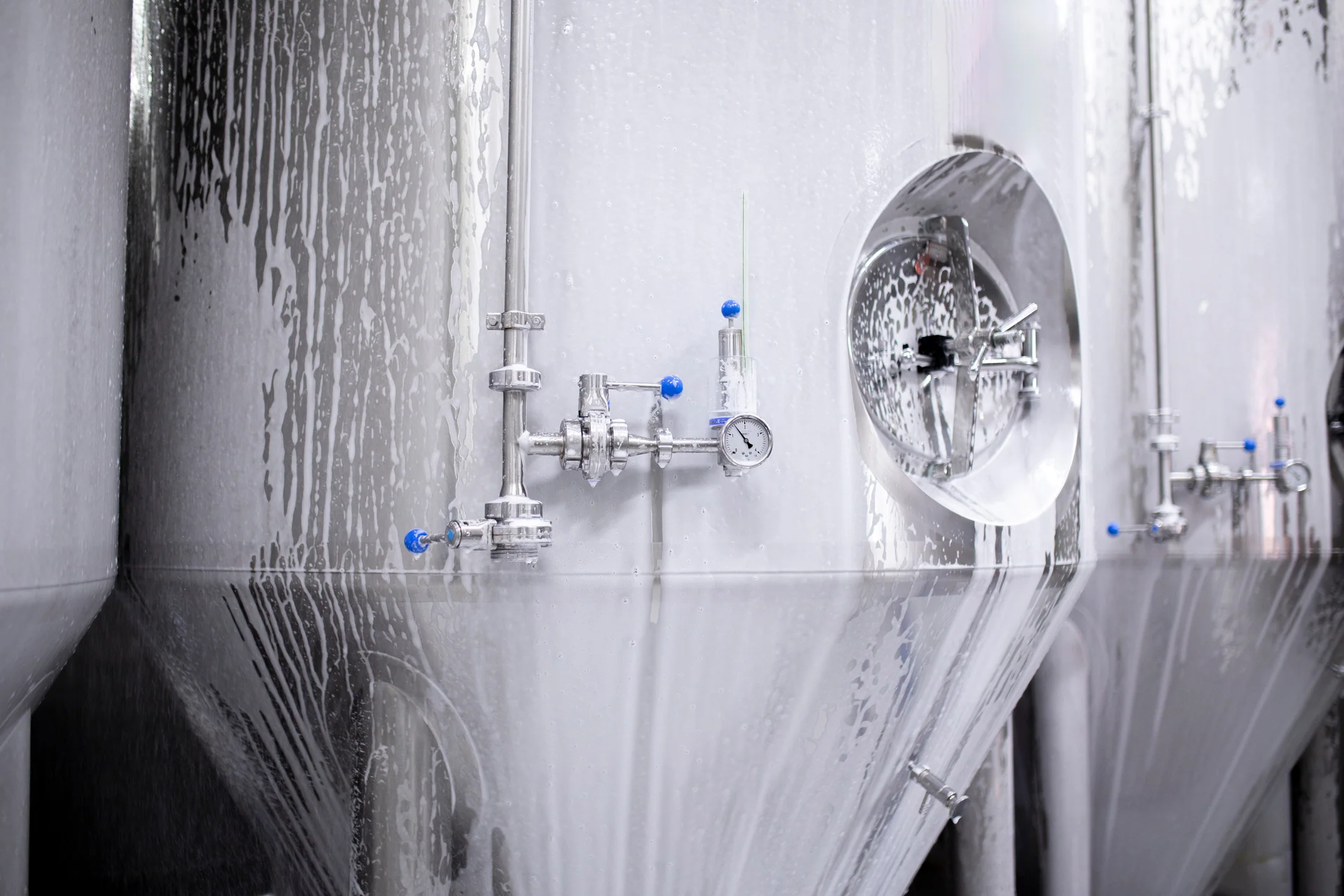
A tank may appear drained while retaining material in shallow depressions, around internal supports or beyond the effective reach of its outlet.
When fresh liquid enters, retained deposits can be disturbed and redistributed. Material may then settle again, creating the appearance of unusually rapid sludge formation.
Flat floors, changes in floor level and drainage arrangements deserve particular attention. The practical implications of these features are explored in the flat-bottom tank cleaning guide.
What deposit location can and cannot establish
The position of sludge provides useful evidence, but it rarely identifies the cause on its own.
- Near the inlet: Accumulation may suggest incoming solids or a local reduction in flow velocity.
- Across the tank floor: Widespread deposits may reflect settling during storage or material formation throughout the liquid.
- Around outlets and recesses: Low-point deposits may indicate incomplete drainage or areas where material is retained.
- On walls or internal equipment: Adherent material may point towards precipitation, product characteristics or changes during operation.
These patterns should be considered alongside deposit composition, operating records and the time elapsed since cleaning. Material found near an inlet, for example, could have formed elsewhere before entering the vessel.
When repeat cleaning needs process investigation
Repeated cleaning becomes a reason to investigate when deposits return faster than expected, affect operating capacity, obstruct transfer equipment or change noticeably in appearance.
Useful comparisons include the quantity removed during successive cleans, photographs of deposit locations, upstream filtration records, recent product changes and trends in temperature or throughput.
A repeat intervention may still be necessary to restore usable capacity. However, the cleaning scope should reflect whether material is newly arriving, forming during operation or remaining after drainage.
For maintenance work, the Health and Safety Executive’s guidance on maintaining work equipment explains the importance of planning and isolating relevant plant and pipelines before work begins.
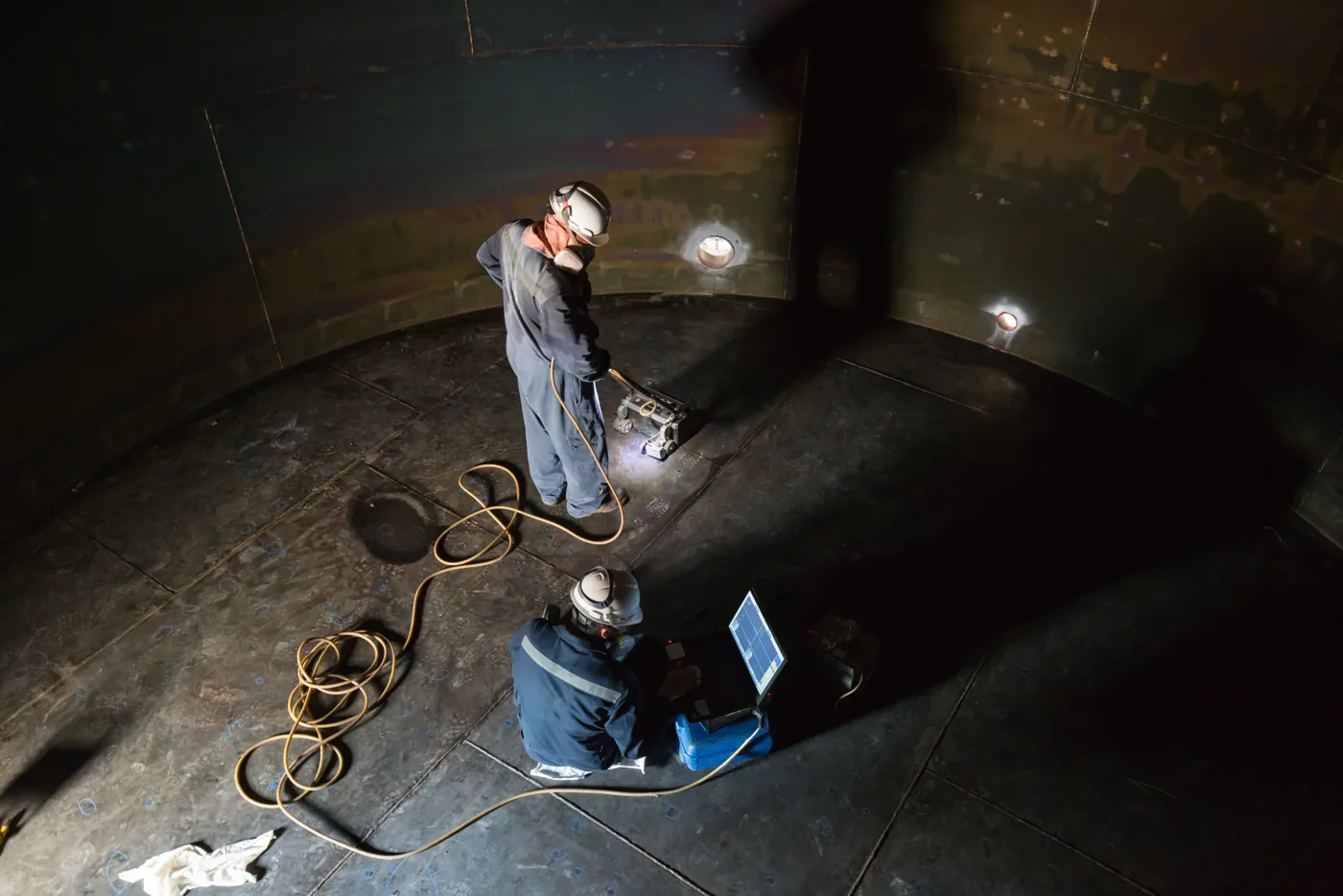
Where deposits are interfering with continued operation, industrial tank cleaning can address the accumulated material while the site’s process investigation considers why it developed.
After each clean, record the quantity and appearance of the sludge, the areas where it accumulated and any changes in operating conditions. Compare these findings with previous cleaning records and upstream process data. If the same deposit returns in the same location, the next maintenance decision can focus on the likely source or retention point instead of automatically shortening the cleaning interval.