

Tank decommissioning takes redundant storage out of service. Temporary non-use and permanent retirement are different states, so the treatment of contents, connections and the tank itself depends on what is intended.
Tank Decommissioning
Tank decommissioning takes redundant storage out of service, with the contents, connections and tank dealt with for temporary closure or permanent retirement.
HomeTank DecommissioningTank Decommissioning enquiry
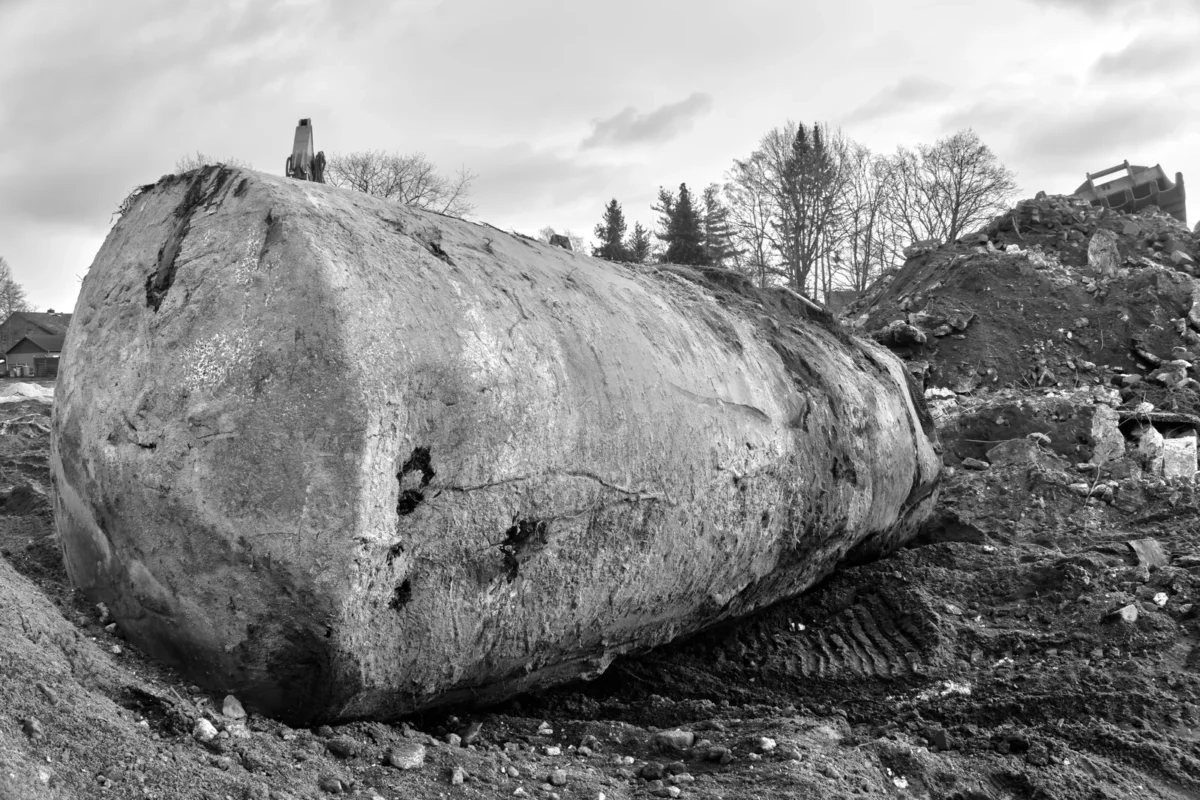
The future tank use
Permanent retirement, removal and a proposed change of use require different decommissioning arrangements.
Remaining connections
Pipework, vents and supplies can remain active or redundant independently of the tank, so their status needs to be established before decommissioning.
Temporary closure and permanent retirement
A temporarily unused tank can still require inspection and pollution controls. Permanent retirement requires a decision about removal or, where suitable, an assessed method of leaving the tank in place.
The contents history, construction, location and any evidence of leakage all affect that decision. Emptying the tank alone does not deal with residues, vapour or connected equipment.
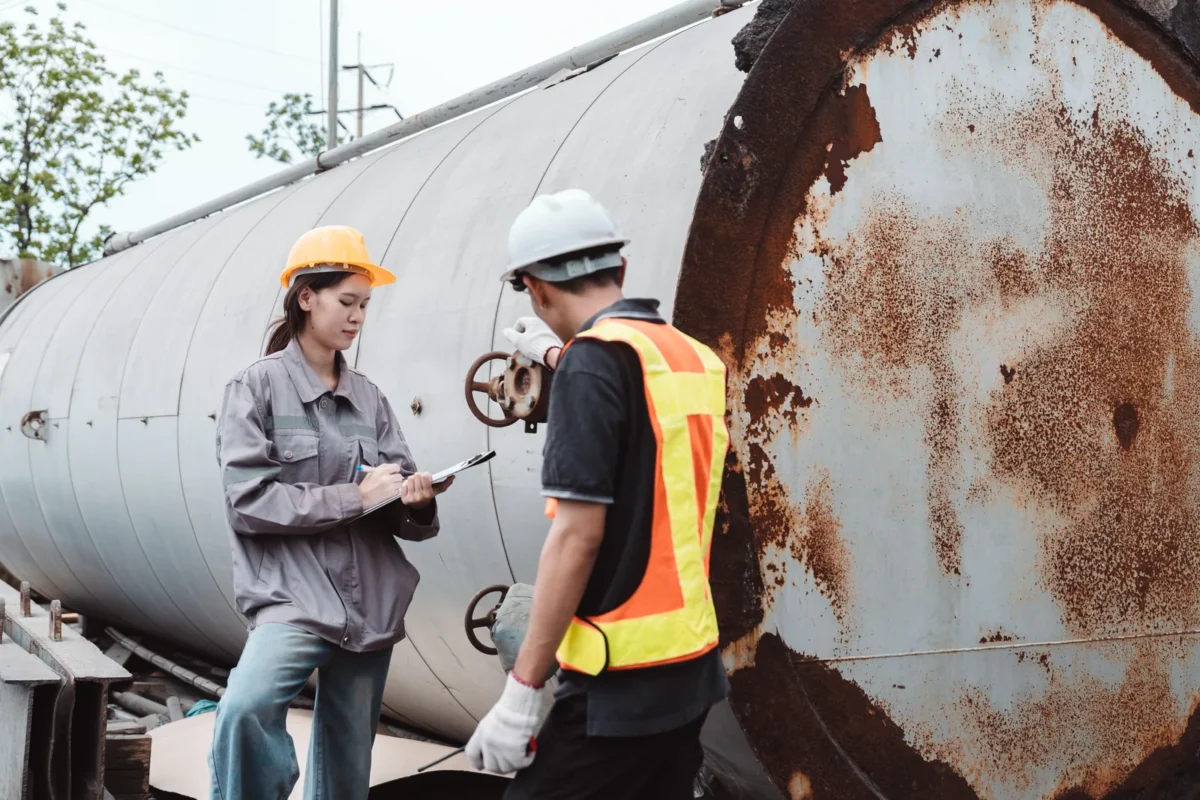
Discuss tank decommissioning
Complete the form and we will get back to you.
Contents and connections
Remaining product and residues need appropriate handling, and redundant connections must be dealt with so the system is not filled or used inadvertently. Hazardous connected equipment requires suitable isolation while work is carried out.
For underground tanks, pipework, vents and other parts left below ground also need to be addressed. Leaving or filling the tank in place should not be assumed suitable without the relevant assessment.
Underground tanks and surrounding ground
For underground tanks, surrounding soil, groundwater and future site use may need separate assessment. Cleaning or removing the vessel does not establish that the ground is uncontaminated, and any investigation or remediation remains separate from the tank work.
Tank Decommissioning: common questions
Does decommissioning always mean removing the tank?
Removal is one option. Any proposal to leave a tank in place needs a suitable assessment and must meet the requirements applying to that site and tank.
Is pumping the tank empty enough?
No. Residues, vapours, connections and the tank's future condition still need to be addressed within the decommissioning plan.
What should the completion record include?
The tank identity and location, contents handled, method of decommissioning, pipework status and details of anything retained on site are useful core information.
Is an unused tank already decommissioned?
No. Its contents, connections and continuing risks need assessment. Temporary non-use is different from completed permanent retirement.
Does decommissioning prove the surrounding ground is uncontaminated?
No. Cleaning, filling or removing the tank does not answer whether a past leak affected soil or groundwater. That requires its own assessment where there is reason for concern.