

Petrol tank cleaning removes agreed residues before continued storage, inspection or retirement. Flammable vapours and residues can remain after the bulk liquid has been removed, so an apparently empty tank is not treated as safe by appearance.
Petrol Tank Cleaning
Petrol tank cleaning removes the agreed residues before continued storage, inspection or retirement.
HomePetrol Tank CleaningPetrol Tank Cleaning enquiry
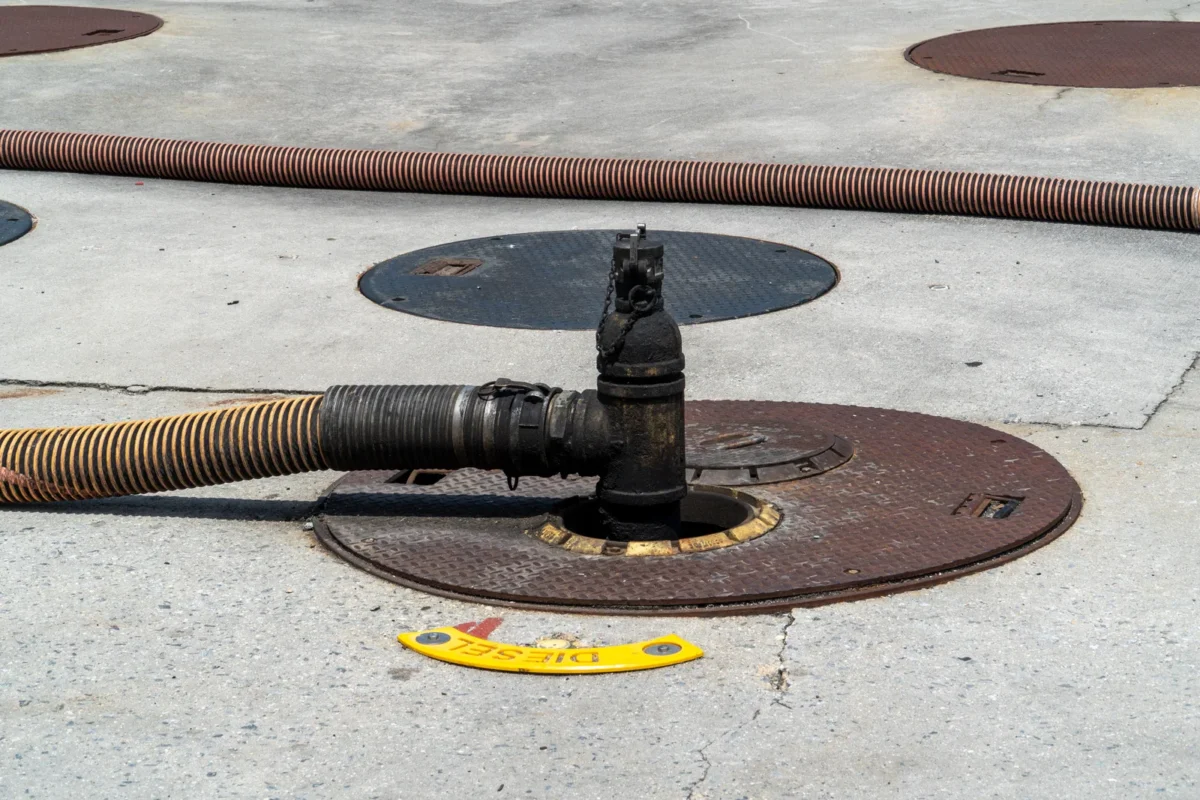
Petrol vapour hazards
The previous contents require suitable controls for flammable vapours throughout preparation and cleaning.
Residues and washings
Recovered material needs containment and disposal arrangements appropriate to the tank's contents.
Petrol residue and required finish
The tank, connected lines and previous contents need to be considered together. Petrol remaining in low points or pipework can affect both the cleaning method and the atmosphere around later work.
The required cleaning result depends on what happens next. Continued petrol storage, inspection and permanent removal are different outcomes and may need different preparation after the residues have been recovered.
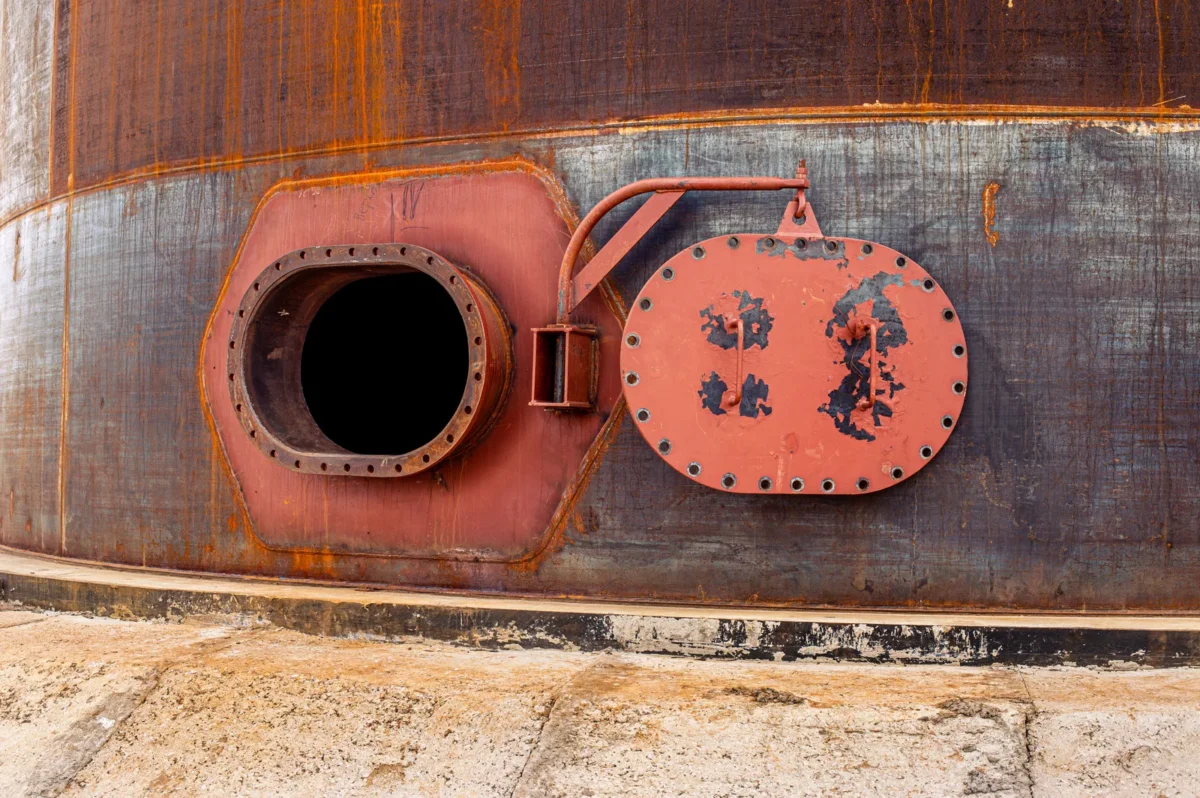
Discuss petrol tank cleaning
Complete the form and we will get back to you.
Isolation and cleaning controls
Connected equipment must be isolated appropriately, with ignition sources and hazardous atmospheres controlled for the specific task. Suitable non-entry methods are considered before any necessary confined-space entry.
Recovered petrol, washings and solids need handling appropriate to their condition. If entry is necessary, it requires the relevant assessment, competent people, controls and emergency arrangements.
Later entry, cutting or hot work
Cleaning or a previous gas test does not give automatic permission for later cutting, grinding, welding or another entry. Conditions can change, and the later task requires its own assessment and controls at that time.
Petrol Tank Cleaning: common questions
Is a petrol tank safe once the pump can draw no more fuel?
No. Liquid residue and flammable vapours can remain. The condition must be assessed for the proposed work by competent people.
Can equipment used for diesel cleaning be used for petrol?
Suitability cannot be assumed. Equipment and the method must be appropriate for petrol and the assessed hazardous atmosphere.
Does cleaning authorise later cutting or welding?
No. Hot work requires its own assessment, controls and authorisation for the tank condition at that time.
Can petrol remain in connected pipework after the tank is emptied?
Yes. Low points and connected lines can retain liquid or vapour, so relevant connections form part of the isolation and cleaning assessment.
How are recovered petrol and cleaning washings handled?
Recovered petrol, washings and solids need containment and a destination appropriate to their condition and composition.