

Water tank chlorination is a disinfection method used where it is appropriate to the water system and treatment objective. It is kept distinct from physical cleaning and from the wider controls needed for the connected system.
Water Tank Chlorination
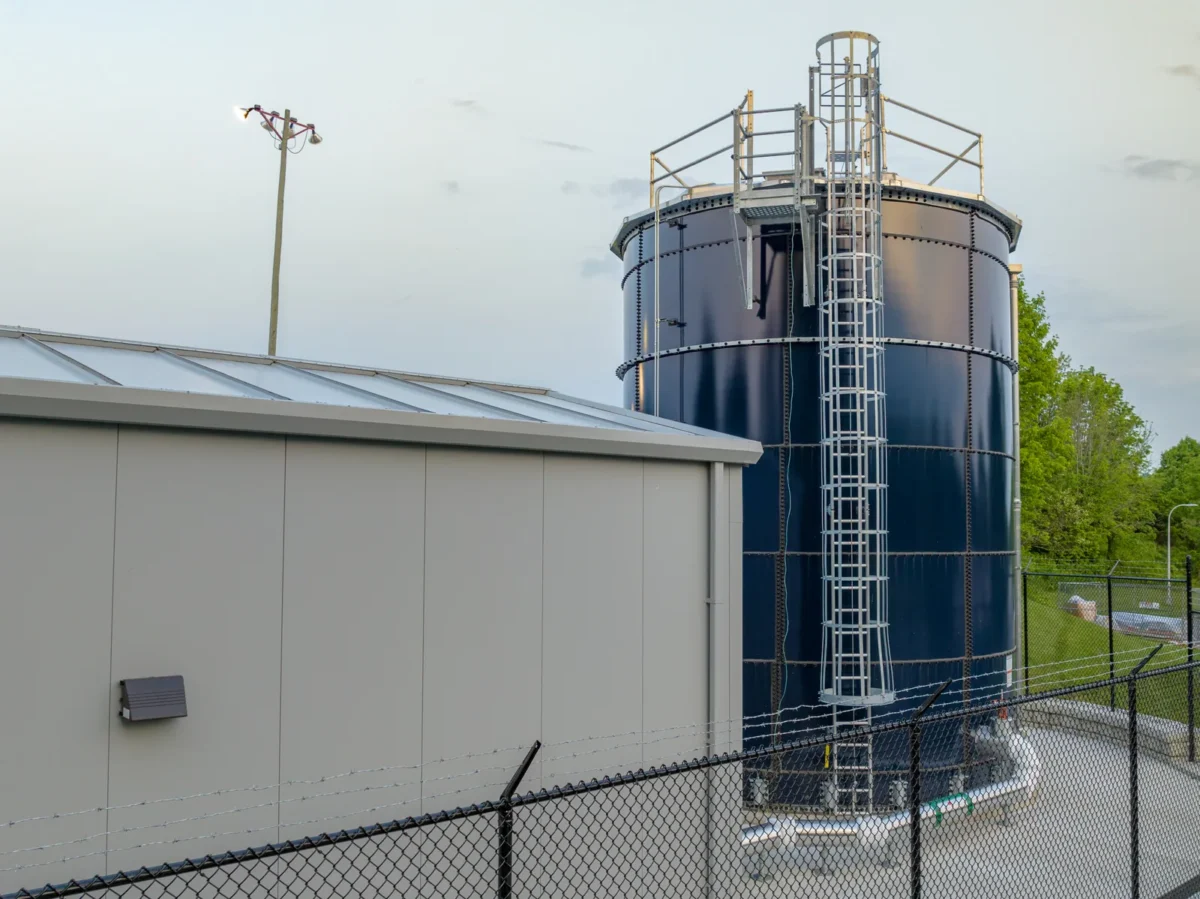
Water tank chlorination is a disinfection method used where appropriate to the system and treatment objective.
HomeWater Tank ChlorinationWater Tank Chlorination enquiry
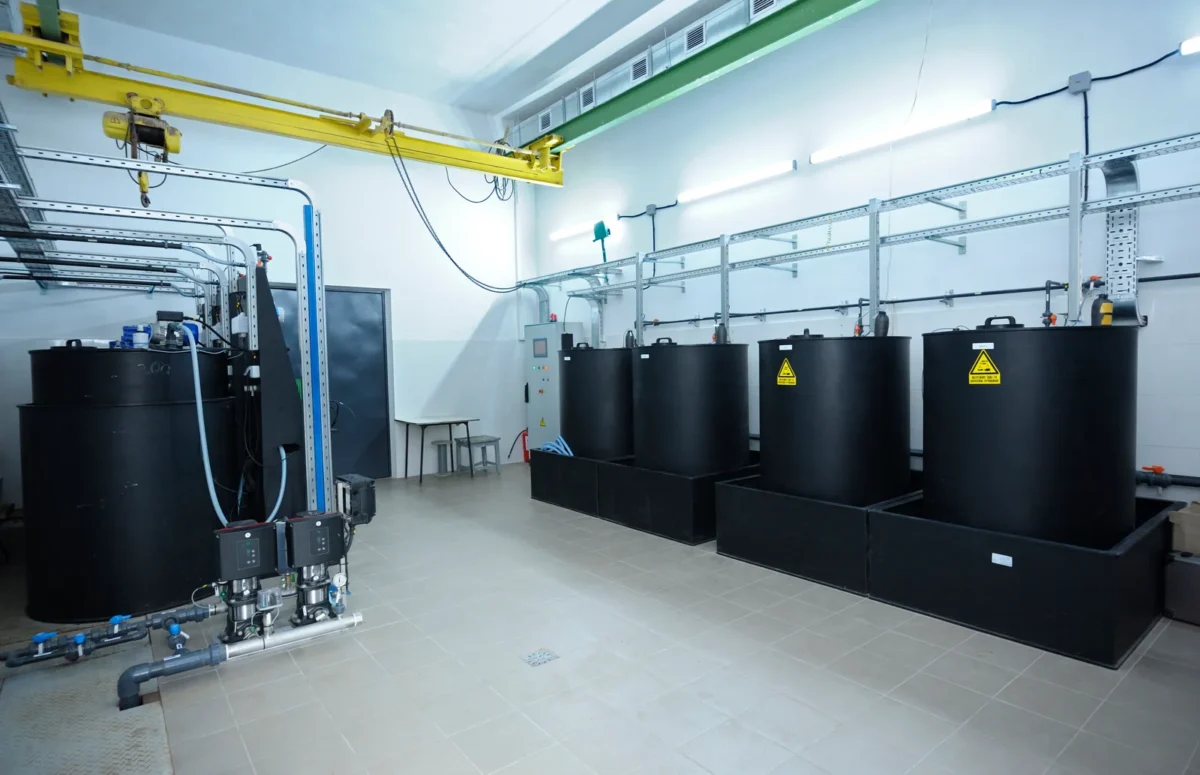
The proposed treatment
Tank condition, water use and the selected method determine the chlorination work and completion checks.
Treatment conditions
Concentration, contact conditions and completion checks describe the treatment carried out.
Preparation and treatment boundary
Sediment and other deposits may need to be removed before disinfection. Chlorination does not wash sludge out of a tank, repair damaged covers or correct poor turnover elsewhere in the system.
Tank materials, connected equipment and the intended water use affect whether the proposed treatment is suitable. The treatment boundary must state whether the work stops at the tank or includes specified pipework and outlets.
Discuss water tank chlorination
Complete the form and we will get back to you.
Treatment and completion
Concentration, contact conditions and flushing are set by an appropriate procedure for the installation. A generic dose or fixed elapsed time should not be applied to every system.
Treatment water needs a suitable disposal or authorised discharge route. Completion checks should record the treatment carried out, with sampling used only where the system assessment calls for it.
Continuing water-system control
A sample represents the location and time tested; a result from the tank alone does not describe every connected outlet. Treatment and sampling do not replace continuing water-management controls for the system.
Water Tank Chlorination: common questions
Is tank chlorination the same as removing sludge?
No. Chlorination is a disinfection process. Physical deposits may need cleaning first so the treatment can be effective.
Can the same chlorine dose be used for every tank?
No. The system, method and treatment conditions require a suitable procedure. Unplanned dosing can be ineffective or damage equipment.
Does a chlorination record have one fixed validity period?
It records work on a particular date. Future action should reflect the water-system assessment, condition and changes, rather than an assumed universal expiry.
How is treatment water disposed of after chlorination?
It needs a suitable disposal or authorised discharge route under the procedure for the work; it should not be released to an unsuitable drain by default.
Does a tank result cover connected pipework?
Only where the pipework forms part of the defined treatment and completion checks. It should not be inferred from a tank-only measurement.