

Our fuel tank cleaning service removes water, sludge and other deposits from storage while keeping retained fuel separate from the material being removed. The fuel and the tank surfaces may need different treatment.
Fuel Tank Cleaning Service
Our fuel tank cleaning service removes water, sludge and other deposits, with retained fuel assessed separately for reuse.
HomeFuel Tank Cleaning ServiceFuel Tank Cleaning Service enquiry
Fuel storage condition
Water, sediment and the tank's operating history help identify the cleaning and testing required.
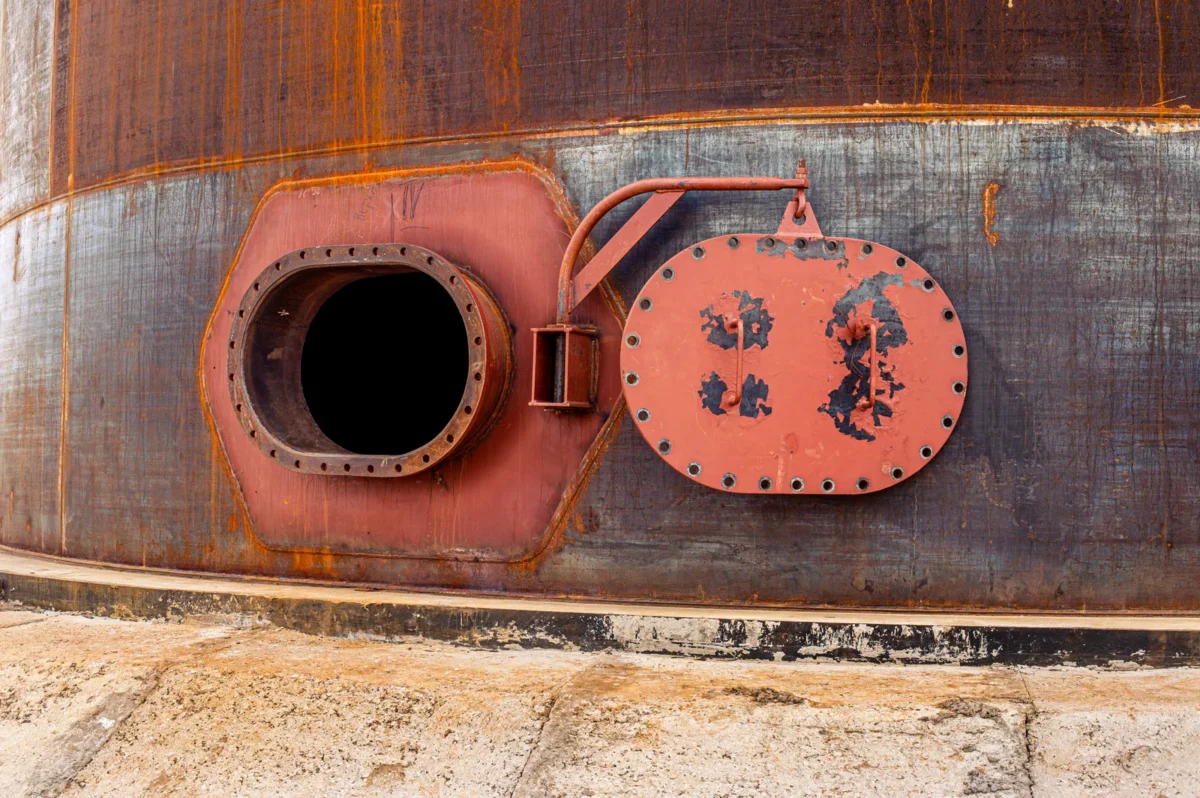
Internal access
Tank openings and fittings determine the cleaning equipment suitable for the available working space.
Retained fuel and tank-bottom deposits
Fuel proposed for reuse needs assessment before transfer or treatment. Water and sludge at the bottom are handled separately so they are not simply mixed back into retained product.
Low points, baffles and fittings can hold deposits after the main liquid has been transferred. Removing bulk fuel therefore does not establish that the tank surfaces are clean.
Discuss fuel tank cleaning service
Complete the form and we will get back to you.
Isolation and cleaning coverage
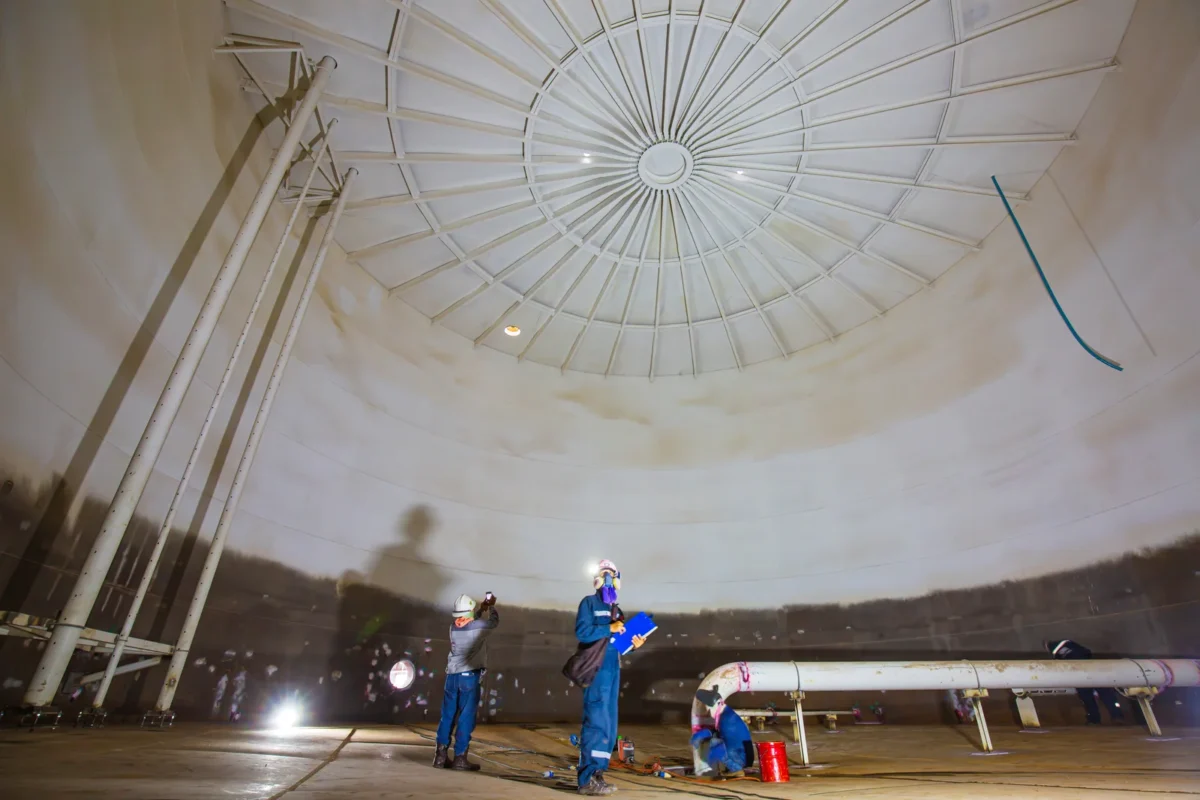
Connected equipment and stored energy must be isolated appropriately before cleaning. Bulk fuel transfer does not show that the tank atmosphere is safe or that entry is necessary, so suitable non-entry equipment is considered first for the openings, internal geometry, contents and atmosphere.
Pipework cleaning, fuel polishing, fuel testing and inspection are separate activities where required. A polishing result describes the treated fuel; it does not prove that inaccessible tank surfaces have been cleaned.
Refilling and separate checks
Before refilling, visible defects or unresolved contamination need separate assessment, and retained fuel may require its own quality checks. Cleaning removes the agreed deposits but does not establish tank integrity or make retained fuel suitable for every use.
Fuel Tank Cleaning Service: common questions
Is transferring the fuel enough to clean the tank?
No. Settled water, sludge and material on internal surfaces can remain after the bulk fuel is removed. These need an appropriate cleaning method and access.
Can cleaning be completed without entering the tank?
Suitable non-entry methods are considered first. Whether they can achieve the required finish depends on openings, internal fittings, deposits and the tank atmosphere.
Does fuel polishing prove the tank surfaces are clean?
No. Polishing treats fuel passing through the equipment. Sludge or residue can remain at low points or behind internal fittings and may need separate cleaning.
What connected equipment needs attention before cleaning?
Relevant pipework, pumps and other equipment that could introduce fuel, hazardous material or stored energy need suitable isolation before cleaning begins.
Does cleaning prove the tank is fit to refill?
No. Cleaning removes the agreed contamination, but structural condition, visible defects and any required fuel-quality checks remain separate considerations.