

Construction and refurbishment can bring existing fuel, oil, water or process tanks into the works. Cleaning may be needed before inspection, alteration, relocation or removal, but the required finish depends on the next task and the material previously stored.
Tank Cleaning Services for Construction
Tank cleaning for construction and refurbishment projects, with excavation and ground condition treated separately from the vessel clean.
HomeTank Cleaning Services for ConstructionTank Cleaning Services for Construction enquiry
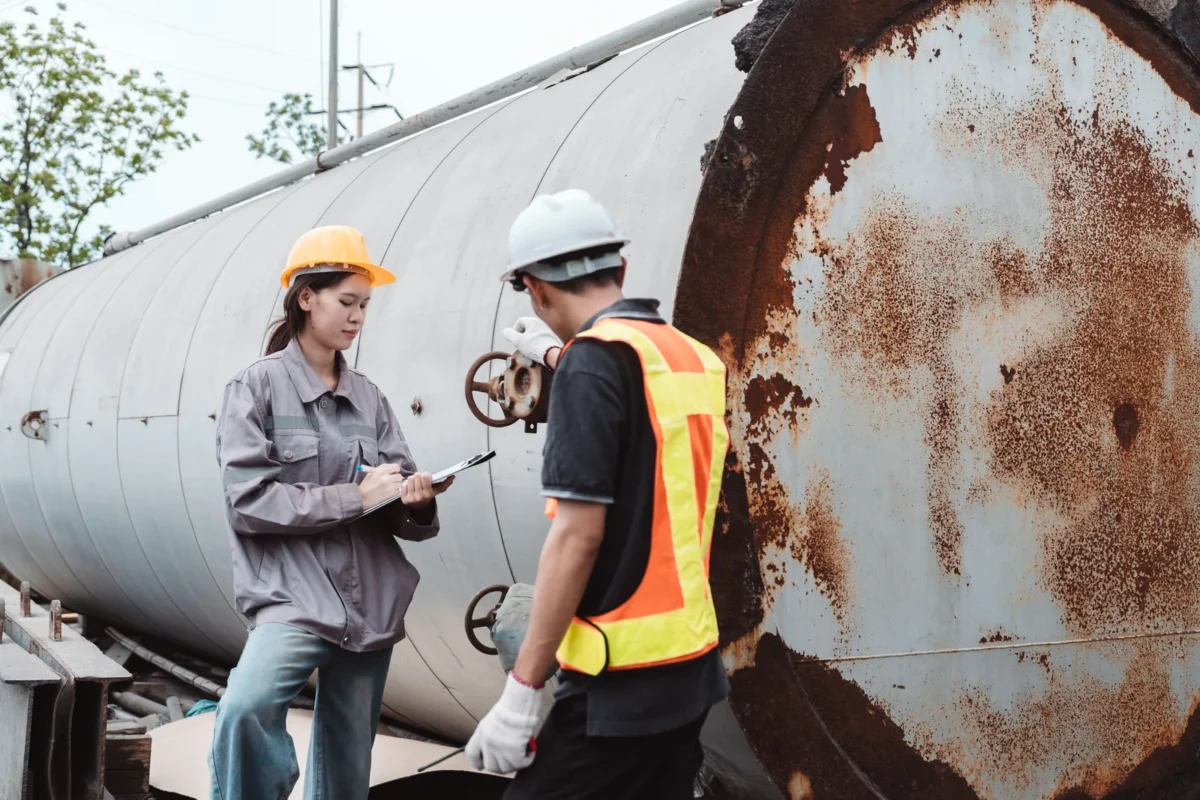
Existing tanks
Fuel, oil, water and process tanks may need cleaning before alteration, inspection, relocation or removal.
Separate construction risks
Excavation, lifting, buried services and ground conditions are not resolved by cleaning the vessel.
Later hot work
An empty or cleaned tank is not automatically safe for cutting, grinding or welding.
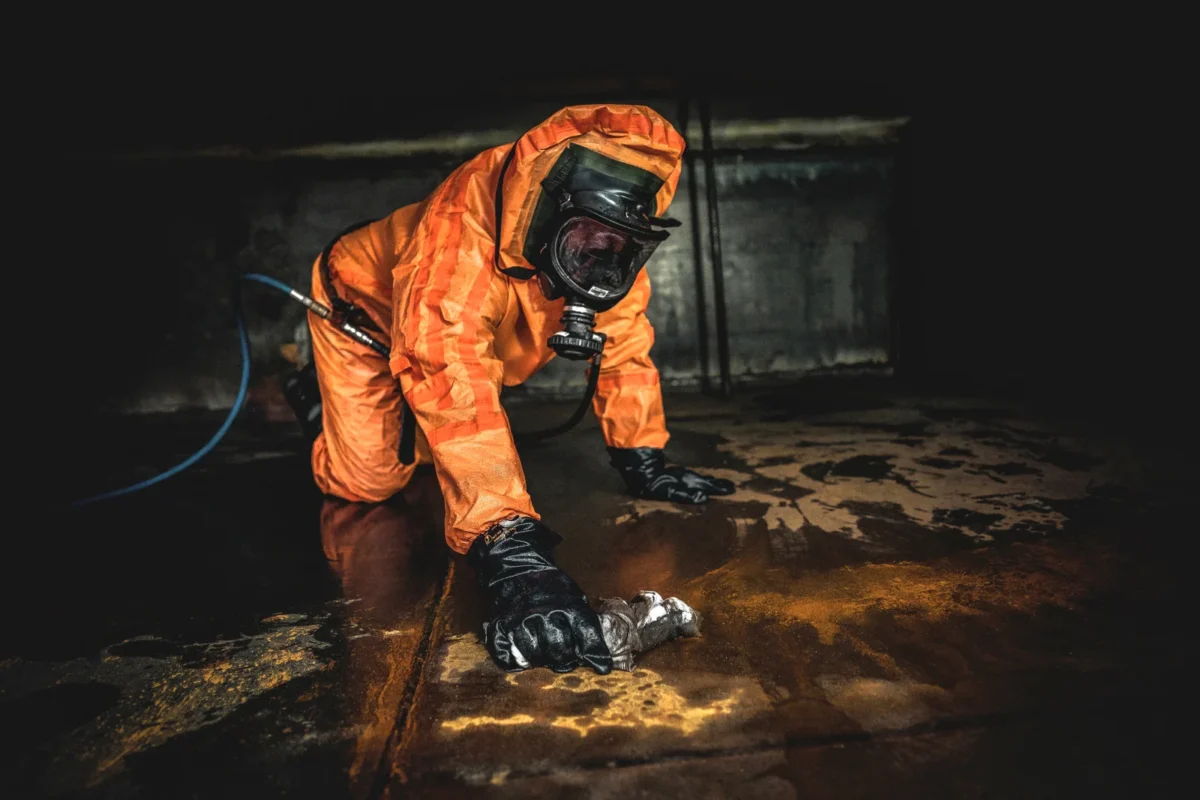
Residual contents before alteration or removal
Bulk emptying does not make a tank safe for dismantling or intrusive work. Residues, vapours, connected equipment and stored energy need to be addressed for the proposed method, and physical tank removal remains separate from any contaminated-land assessment.
Later cutting or hot work
Cutting, grinding or hot work on a vessel needs its own assessment and controls. Cleaning or an earlier gas test is not automatic permission for later hot work because residues, vapour and conditions can change.
Discuss construction tank cleaning
Complete the form and we will get back to you.
Excavation water and RPS 261
Where a construction project also involves temporary dewatering, Environment Agency RPS 261 applies in England only to qualifying temporary discharges of uncontaminated excavation water to surface water. It does not remove the legal permit requirement; the Environment Agency says it will not normally take enforcement action for that breach where the activity meets the RPS description and all its conditions and does not cause pollution or harm. It does not cover tank-cleaning washings, contaminated water, discharge to ground or groundwater, or another activity.
Excavation, lifting and ground conditions
Excavation, lifting, buried services and ground stability require their own construction planning. Cleaning prepares the tank for the agreed next stage; it does not settle the safety or environmental requirements of the surrounding works.
Tank Cleaning Services for Construction: common questions
Does emptying a tank make it safe to remove or cut?
No. Residues and vapours can remain, and the proposed removal or hot-work method needs its own assessment and controls.
Does RPS 261 cover tank-cleaning wash water?
No. The RPS concerns qualifying temporary discharges of uncontaminated excavation water to surface water in England, subject to its conditions.
Does tank removal prove the surrounding ground is uncontaminated?
No. Evidence of leakage may require separate ground investigation or remediation.
Can construction plant or connected equipment remain live during tank cleaning?
Relevant equipment and sources of hazardous material or stored energy must be isolated appropriately so they cannot endanger the cleaning work or restart inadvertently.