

Fuel tank cleaning removes water, sludge and other deposits that remain after normal fuel transfer. The fuel type, tank construction and reason for cleaning determine how the work is carried out.
Fuel Tank Cleaning
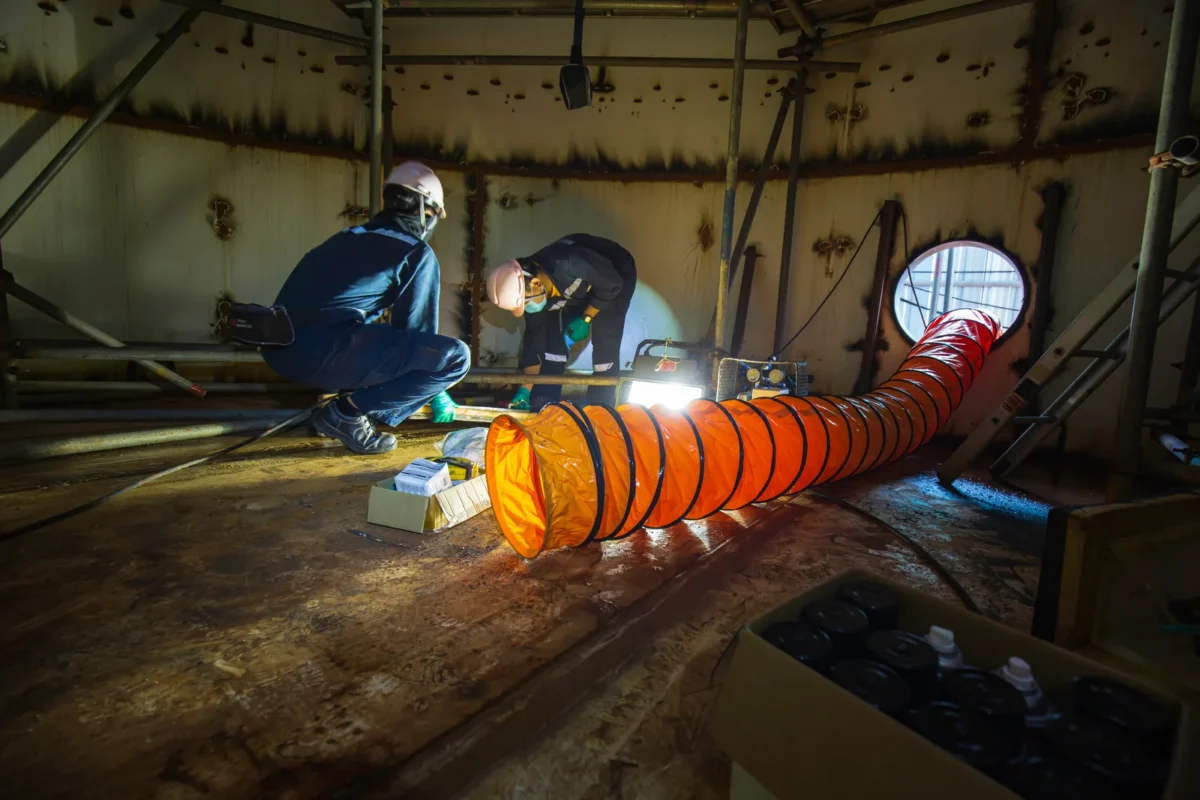
Fuel tank cleaning removes the deposits that remain around stored fuel, including water and sludge at low points.
HomeFuel Tank CleaningFuel Tank Cleaning enquiry
Tank and fuel information
Fuel type, tank construction and retained contents affect the cleaning method and residue handling.
Sediment recovery
Deposits removed from the tank need handling and a receiving destination suited to their contents.
Fuel type and tank deposits
Diesel, petrol and other fuels present different handling and atmosphere risks. Equipment or controls suitable for one product should not be assumed suitable for another.
Samples and the history of filling, filtration and previous cleaning can help show whether a problem is in the fuel, at the tank bottom or elsewhere in the connected supply.
Discuss fuel tank cleaning
Complete the form and we will get back to you.
Cleaning coverage and isolation
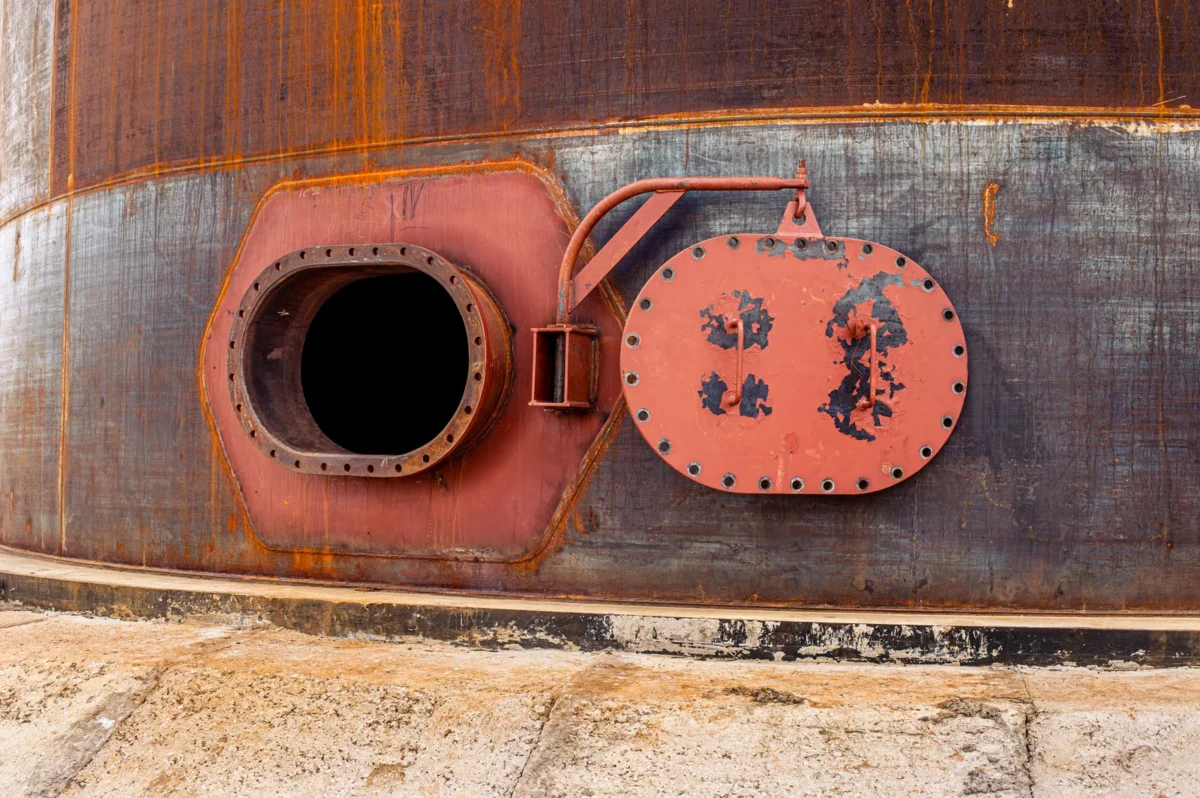
Baffles, low points and restricted openings can leave deposits beyond the normal draw-off. Cleaning therefore needs to address the areas relevant to the problem rather than treating an empty reading as proof that the vessel is clean.
Hazardous connected equipment and energy sources need suitable isolation before work starts. Any retained fuel, contaminated residues and washings also need handling appropriate to their condition.
Fuel condition and tank cleanliness
Fuel quality and tank cleanliness are separate questions. Polishing may improve selected properties of circulated fuel, while tank cleaning deals with deposits on or within the vessel; neither establishes structural integrity on its own.
Fuel Tank Cleaning: common questions
Can a tank be cleaned while some fuel is retained?
The method depends on the tank and contamination. Any retained fuel needs suitable transfer or treatment arrangements; it should not obstruct the agreed cleaning coverage.
Does fuel filtration remove every tank deposit?
No. Filtration treats fuel passing through the equipment. Deposits on the tank floor or behind fittings may need a separate cleaning method.
Can the tank be refilled immediately after cleaning?
Only after the agreed completion checks and the operator's release requirements have been met. Defects or unresolved contamination can change the plan.
Can the method for diesel be used for petrol?
It must not be assumed suitable. Fuel properties and atmosphere risks determine the equipment and controls for each job.
What if a sample looks clear?
A visual sample does not establish all fuel properties or the condition at the tank bottom. The assessment must address the actual concern.