

Fuel polishing circulates suitable stored fuel through filtration or separation equipment selected for the contamination being addressed. It treats the fuel passing through the equipment, not every deposit on the tank surfaces.
Fuel Polishing
Fuel polishing treats suitable stored fuel to remove identified contamination through selected filtration and separation equipment.
HomeFuel PolishingFuel Polishing enquiry
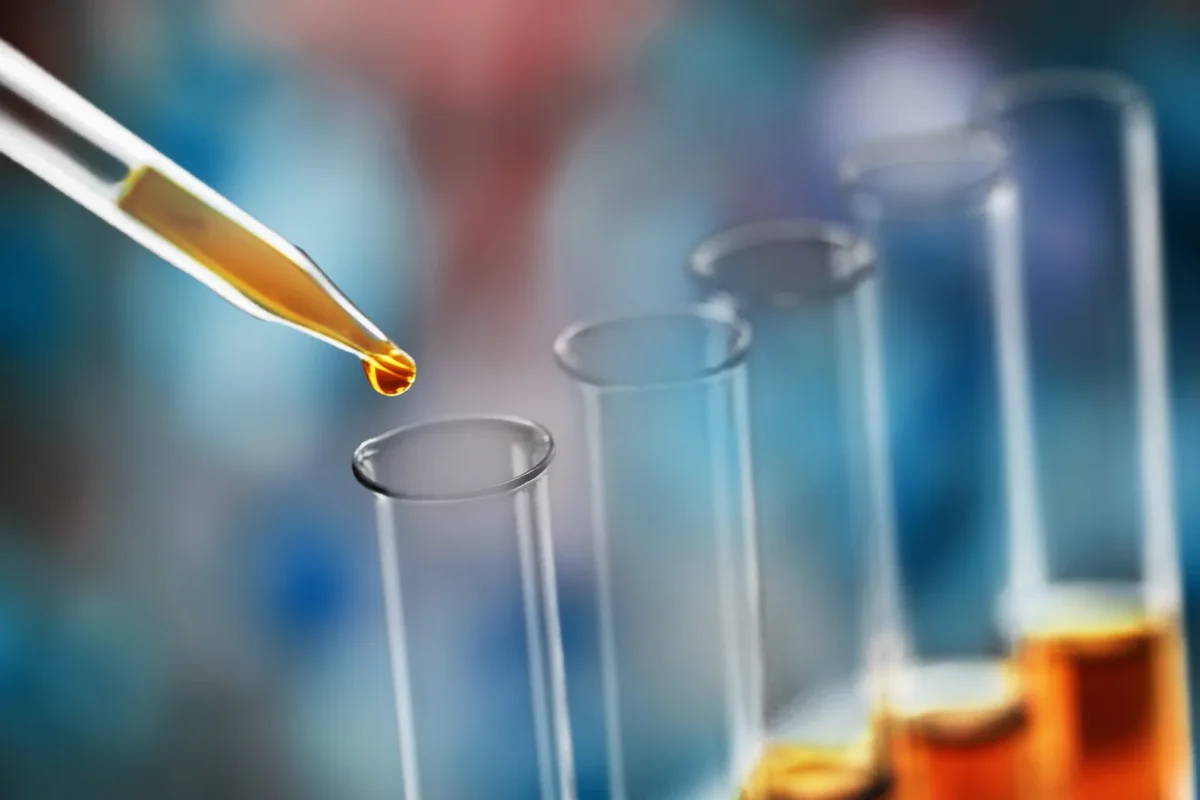
Fuel circulation
The tank layout and accessible connections influence how fuel can be circulated through the treatment equipment.
Fuel condition
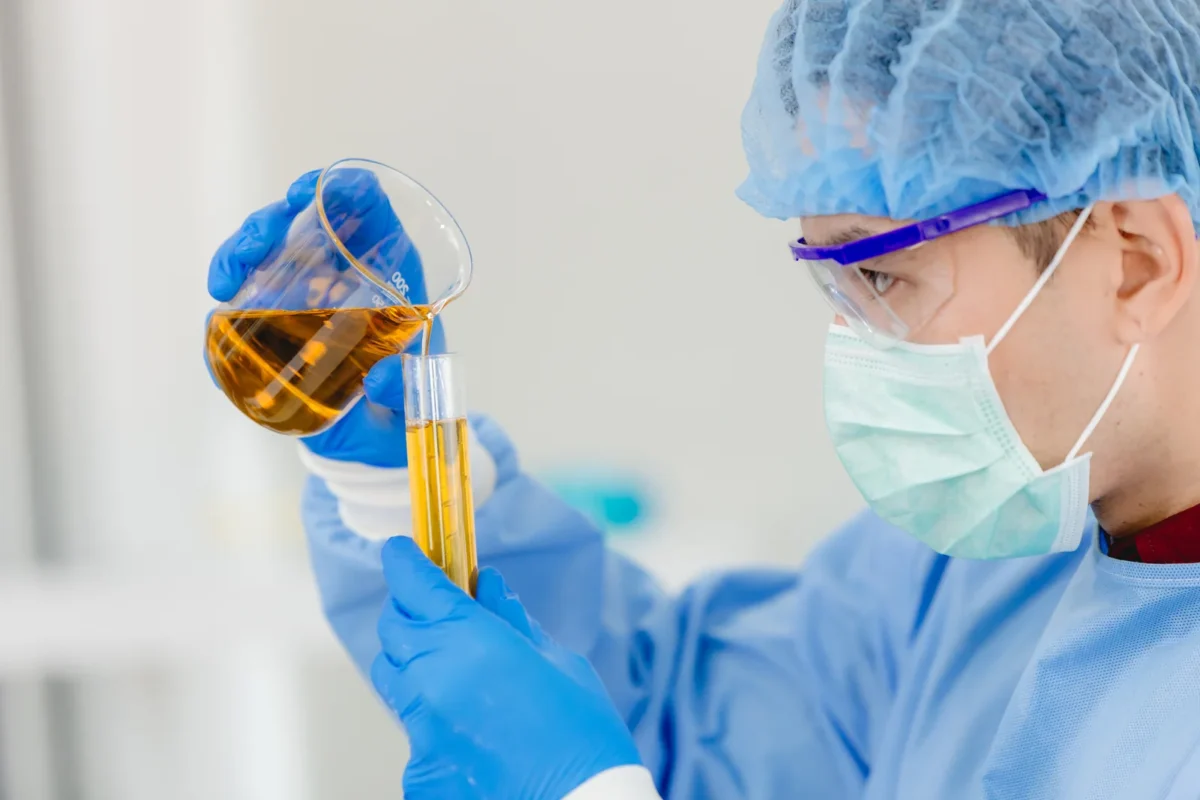
Sampling and the type of contamination help determine whether polishing is suitable for the stored fuel.
Particles, water and filtration capability
Depending on the equipment, polishing can remove selected particles and separated water. The fuel type, sample findings and treatment equipment determine what can actually be removed.
Filtration has limits. Removing particles or free water does not prove that chemical degradation, dissolved contamination or an incorrect fuel mixture has been corrected.
Discuss fuel polishing
Complete the form and we will get back to you.
Tank deposits and new contamination
Sludge on the tank floor or material behind baffles may sit outside the circulation path. Where those deposits are contributing to contamination, tank cleaning or targeted removal may be needed as a separate stage.
Water ingress, damaged covers or another storage defect can introduce new contamination after polishing. Those causes need their own maintenance response rather than repeated filtration alone.
Testing treated fuel
Testing should address the fuel properties relevant to its intended use. A satisfactory result for one parameter, such as particles, does not establish every other property. Fuel that has been polished still needs to meet the requirements for its intended use.
Fuel Polishing: common questions
Is fuel polishing the same as tank cleaning?
No. Polishing treats circulated fuel; tank cleaning addresses deposits and internal surfaces. The two can be combined where both are needed.
Can polishing make every old fuel suitable for use?
No. It does not necessarily correct chemical degradation or the wrong fuel mixture. Testing and the intended equipment requirements determine whether reuse is suitable.
Should fuel be tested before and after polishing?
An appropriate testing plan helps identify the original problem and assess the result. The parameters should match the fuel, contamination and equipment it will supply.
Does a good particle result prove the fuel meets every required property?
No. Particle levels answer one question. Water, microbial condition and other fuel properties require the appropriate separate tests where they matter.
Can tank deposits contaminate the fuel again after polishing?
Yes. Sludge or water left outside the circulation path can re-enter treated fuel, which is why tank condition needs to be considered separately.