

Oil tank cleaning removes water, sludge and deposits from tanks used for heating, lubrication or other oil storage. The oil type and reason for cleaning determine how the remaining contents are handled.
Oil Tank Cleaning
Oil tank cleaning removes water, sludge and deposits from tanks used for heating, lubrication or other oil storage.
HomeOil Tank CleaningOil Tank Cleaning enquiry
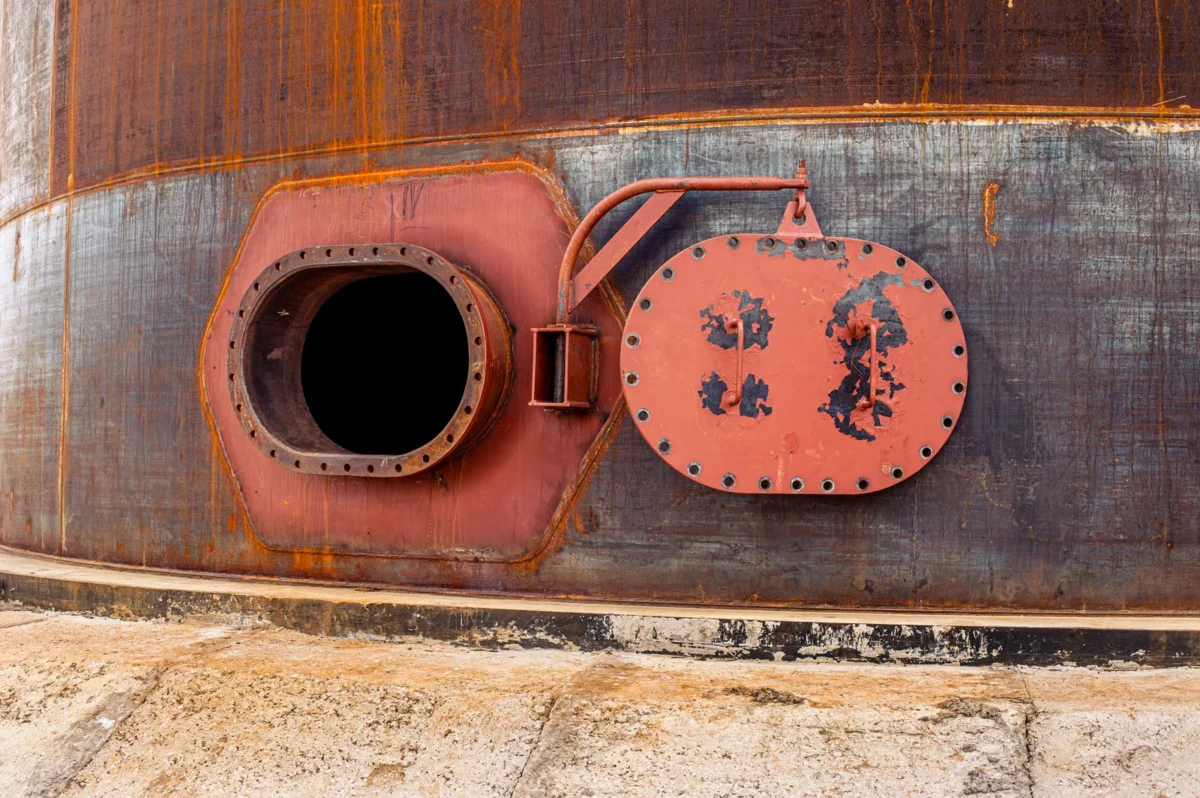
Oil and settled material
Remaining oil, water and sediment need assessment before recovery and cleaning are planned.
Tank access
Openings and internal fittings influence how equipment can reach the surfaces requiring cleaning.
Oil, water and settled deposits
Heating oil, lubricating oil and other petroleum products have different properties and uses. Known solvents, water ingress or other contamination also need to be considered before transfer and cleaning equipment is selected.
Water, sludge and adherent residue can remain after the main oil has been removed. The required finish differs depending on whether the tank will return to the same use, be inspected, change product or be taken out of service.
Discuss oil tank cleaning
Complete the form and we will get back to you.
Oil separation and cleaning access
Oil proposed for reuse needs suitable assessment and compatible temporary storage. Oily water, extracted solids and waste oil may require different handling rather than being combined as one unspecified material.
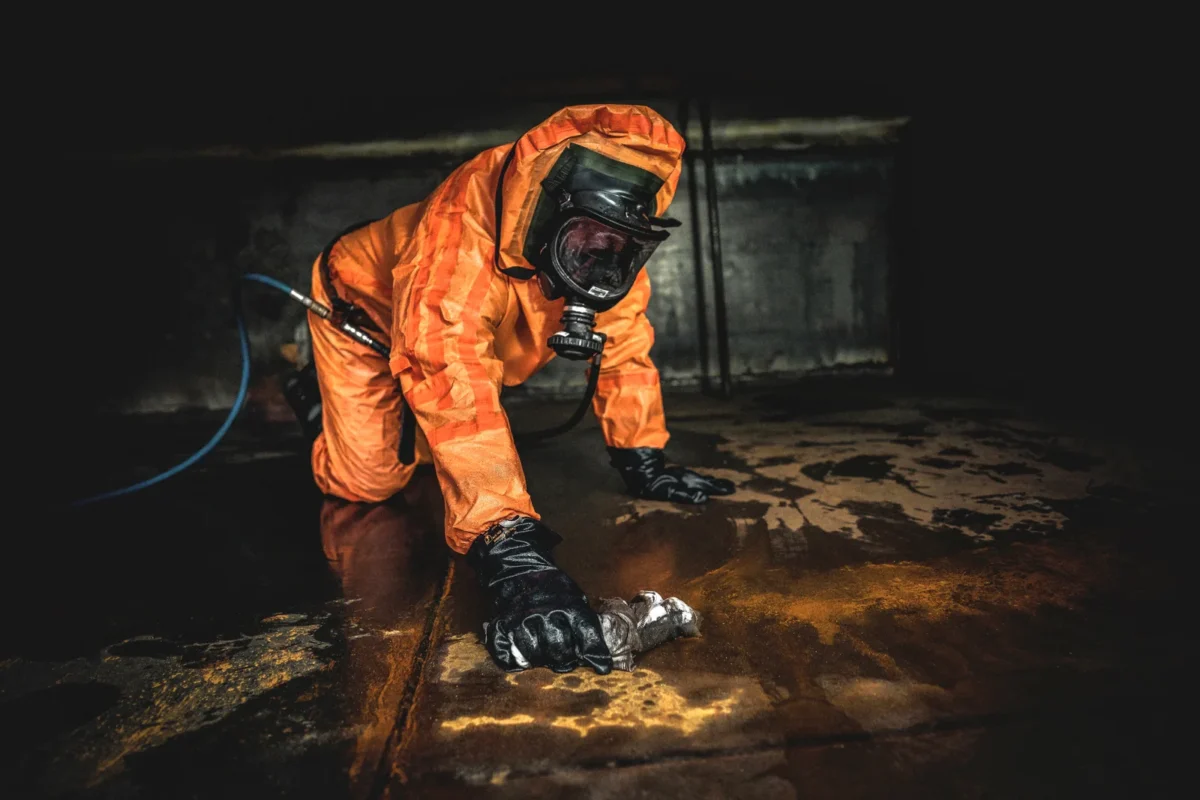
Openings, low points and internal fittings affect which deposits can be reached. The cleaning method should remove the material relevant to the problem without assuming the tank’s visible exterior describes its internal condition.
Condition revealed by cleaning
Cleaning may expose corrosion, leaking connections or damage that was hidden by deposits. Those findings need their own maintenance or integrity assessment before refilling; cleaning itself does not make a damaged tank fit for service.
Oil Tank Cleaning: common questions
Is pumping out oil the same as cleaning the tank?
No. A pump-out removes bulk liquid but can leave sludge, water and deposits. The required cleaning finish depends on the intended next use.
Can the oil go back into the tank afterwards?
Only if its condition and the storage arrangements are suitable. Contaminated oil may require treatment or disposal, and the tank must be ready for reuse.
Does the clean include repairing the tank?
Repairs are a separate activity unless expressly included. Cleaning can expose a defect but does not establish that the tank is sound.
Do different oils need different cleaning arrangements?
Yes. Oil type, known solvents, water ingress and other contamination can affect transfer equipment, residue handling and the cleaning method.
How are water and sludge handled during oil-tank cleaning?
They are assessed separately from oil that may be retained for reuse. The appropriate handling depends on the condition and composition of each material.